Cases Resolving Various Nasal Silicone Side Effects
2018.08.17 16:51
YouTube
Artificial implants such as silicone, Gore-Tex, and Medpor can cause a variety of side effects.
These side effects cause both aesthetic and functional problems; typical examples are as follows.
These aesthetic and functional problems can be improved through implant removal and cartilage repositioning.
For rhinoplasty side effects of any type, our clinic uses a closed approach, implant removal, and cartilage repositioning
to resolve the aesthetic and functional side effects of the nose and restore its original state.
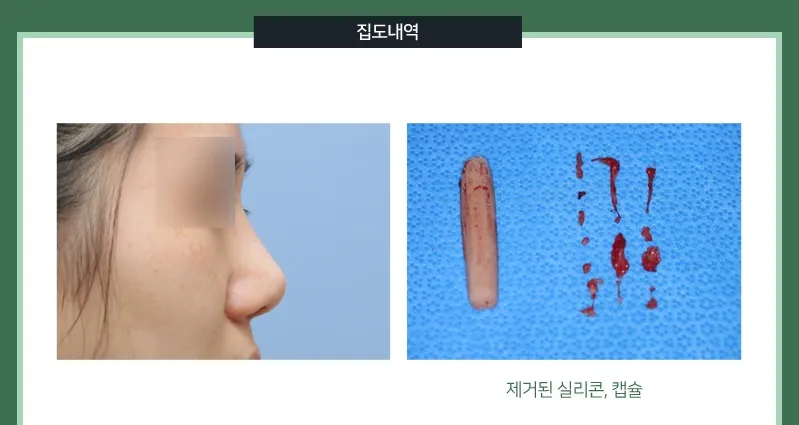
The patient in this case underwent augmentation rhinoplasty with silicone and ear cartilage 4 years ago.
However, 3 months ago the implant was found to be protruding inside the nose, and part of it was cut away at another clinic.
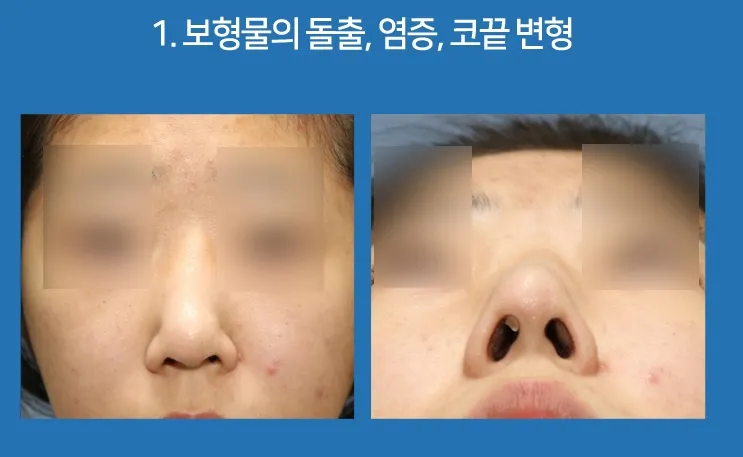
Inflamed tissue and thickened tissue had built up heavily on the dorsum and nasal tip, the nasal bridge was crooked, and the tip was twisted.
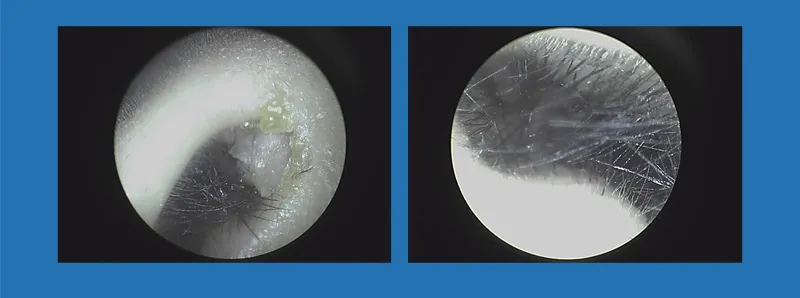
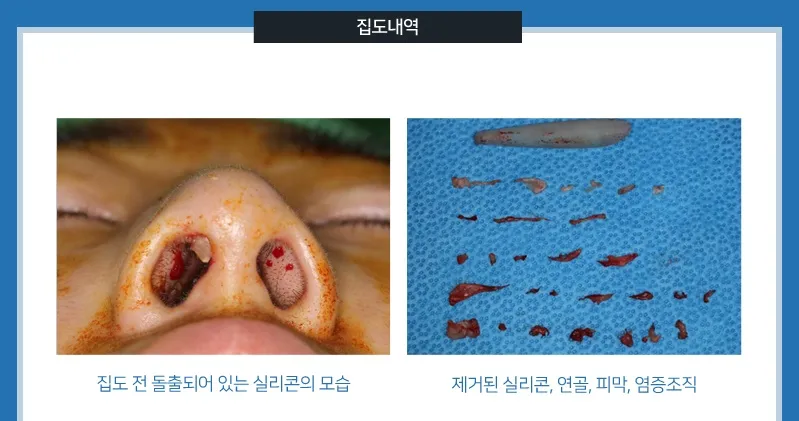
The inserted silicone can also be seen breaking through the skin and protruding inside the right side of the nose.
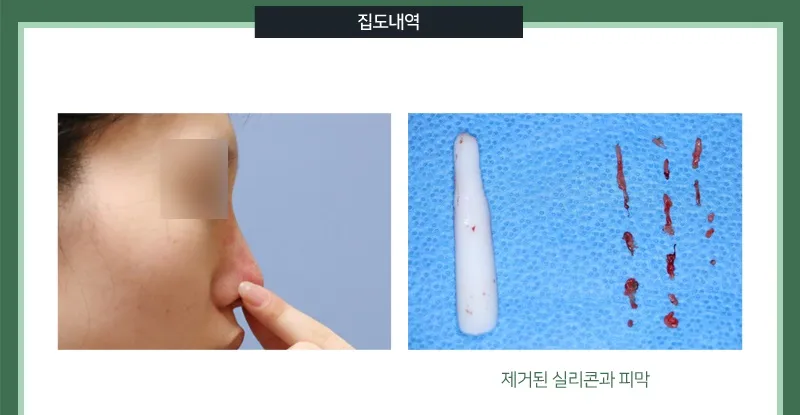
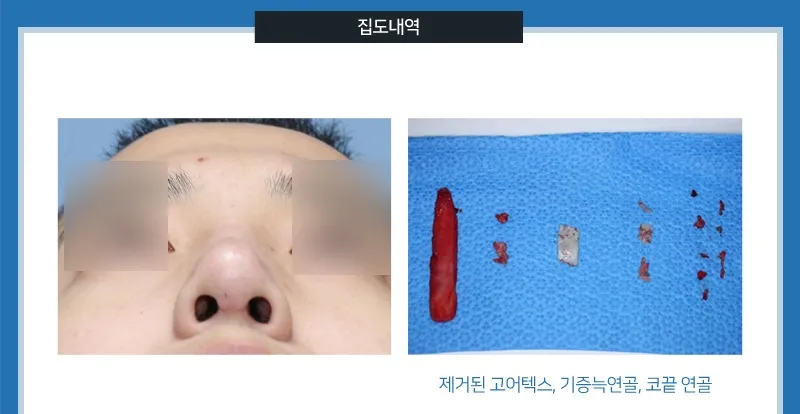
In the nasal implant removal, the silicone and a small amount of ear cartilage were removed.
A large amount of capsule and inflamed tissue was also thoroughly removed, preventing side effects that could appear later as well.
The dorsum and nasal tip, which had been twisted, are now straight and properly positioned.
The curvature has also disappeared naturally.
In consultations for nasal implant removal, when it comes to removing the artificial implant and the cartilage grafted to the nasal tip,
whether the nose might collapse, or contracture might develop and turn the nose up, is a concern for a great many patients.
When the implant, capsule, and cartilage are removed precisely, these problems do not occur.
The before-and-after photos of this patient likewise show no problems such as contracture or tip deformity,and a naturally restored appearance.
1st surgery: January 2015, at a clinic in Gangnam, silicone + hump reduction + tip cartilage suturing (open approach) => inflammation developed, and after 1 year only the silicone was removed
2nd surgery: July 2017, at the same clinic, silicone + osteotomy + septal extension with ear cartilage + non-incisional alar reduction (open approach) => April 2018, revision alar reduction
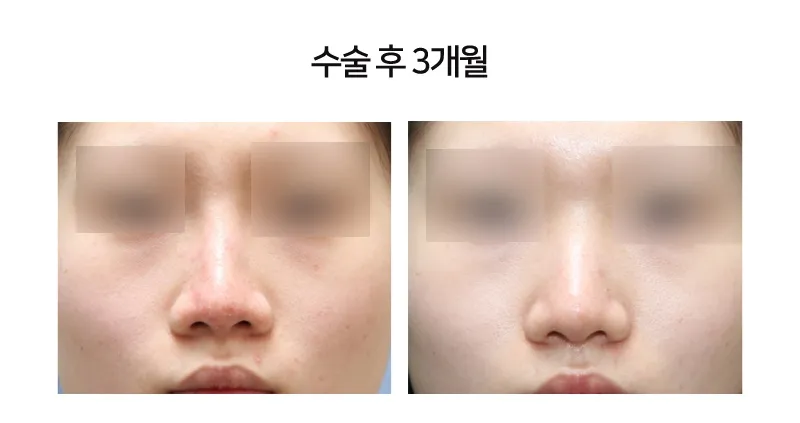
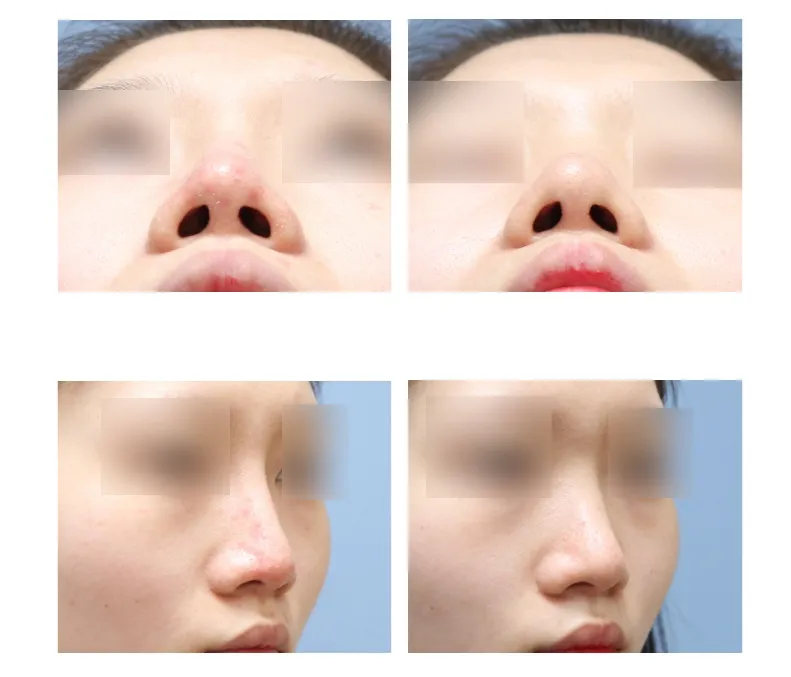
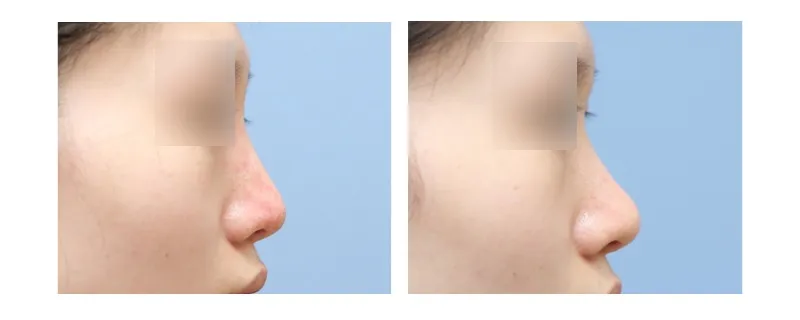
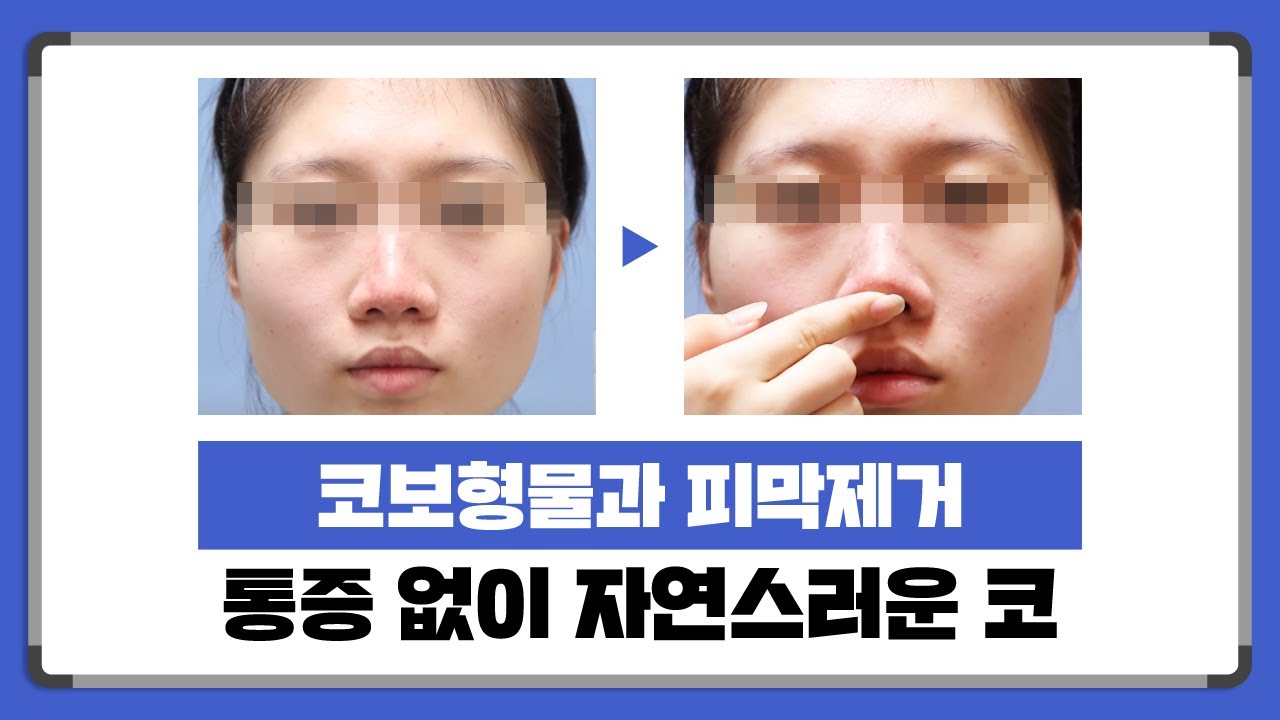
In terms of appearance, the patient wanted to improve the artificially high nasal bridge and the redness of the dorsum and nasal tip,
and as a functional problem, reported periodic throbbing pain in the nose.
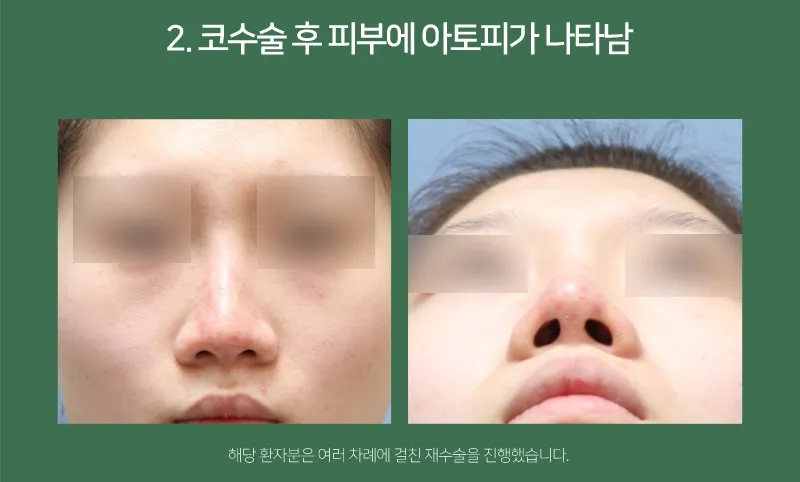
On examination, the skin of the nasal tip was red, eroded, and considerably weakened, and the silicone was showing through on the dorsum.
Along with removal of the silicone implant and capsule, cartilage repositioning was performed,
resolving both the aesthetic and functional problems.
Within 10 days after removal, the redness of the nose and the atopic-like skin symptoms of the nasal tip had both cleared.
Functional problems such as the intermittent throbbing the patient had reported were also gone.
The artificially high nasal bridge settled into a natural height,
and the patient was pleased that the nasal tip had become very soft and supple.
This patient was kicked in the nose while playing soccer, an accident that fractured the nasal tip and caused it to collapse.
November 2016, one month after the accident: rhinoplasty at a clinic in Gangnam using ear cartilage for the tip + AlloDerm =>the nasal tip turned red, with inflammation, pain, and skin trouble
July 2017: revision surgery at a different clinic with Gore-Tex + septal support graft + tip cartilage suturing + tip cartilage graft
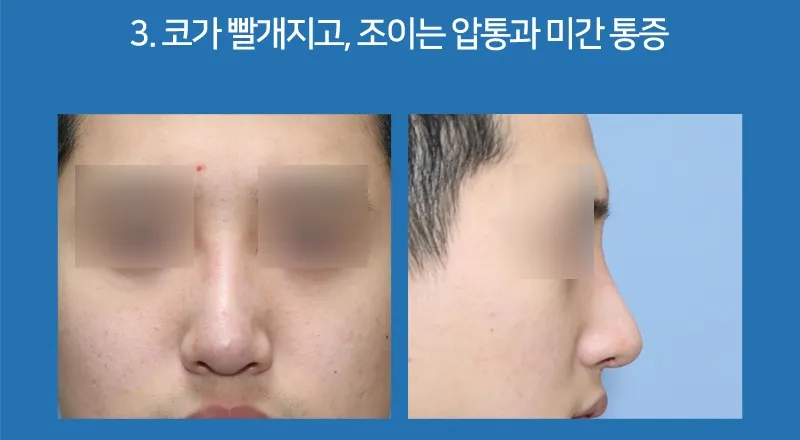
Afterward, the dorsum and nasal tip became red and flushed, and the nose grew abnormally large and hard.
The patient came to our clinic with the nasal tip fixed and immobile.
We planned surgery through a closed approach to reduce scarring of the nose and shorten the recovery period.
The Gore-Tex on the dorsum, the donor costal cartilage used for the septal extension graft, and the tip cartilage graft were removed, and cartilage repositioning was performed.
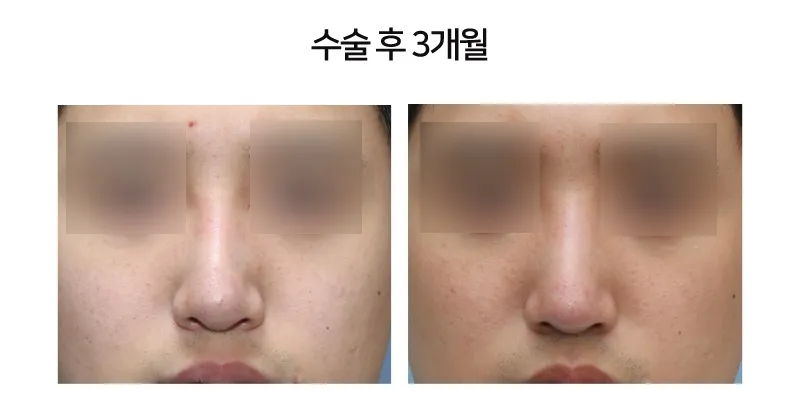
After nasal implant removal, the redness on the dorsum and nasal tip disappeared,
and the nose has settled into a natural shape.
In 2009, the patient in this case underwent closed-approach surgery with silicone for the nasal bridge + ear cartilage for the tip at another clinic.
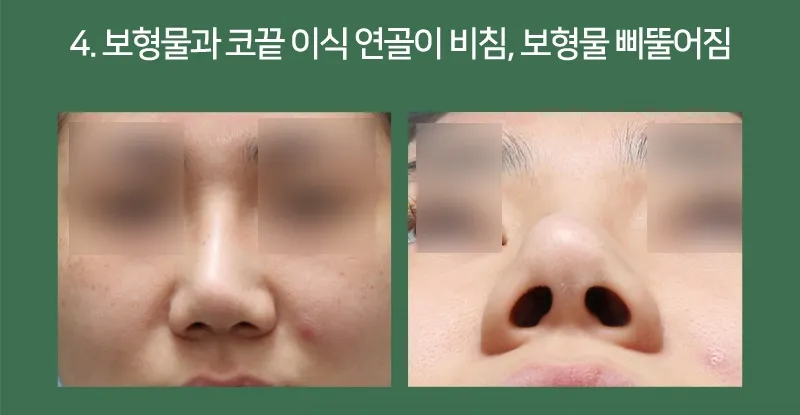
The silicone implant on the dorsum was crooked and showing through,
and the ear cartilage in the nasal tip was also showing through and protruding.
The implant had migrated upward, so the glabella was also high and looked unnatural.
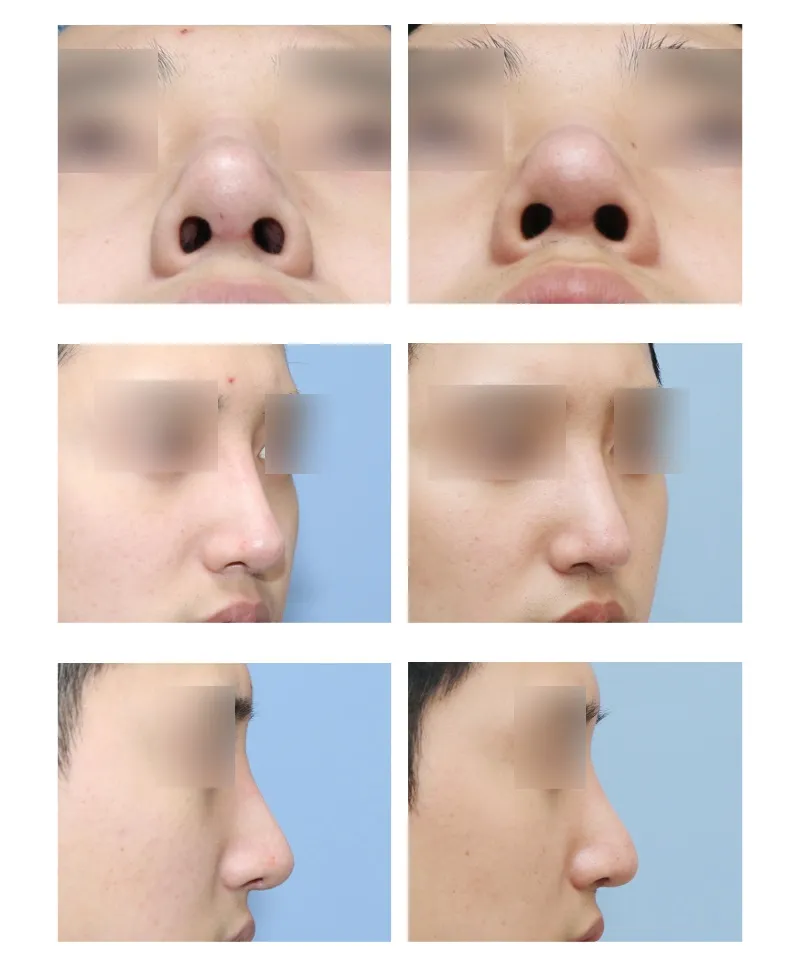
Through a closed approach, the silicone, capsule, and ear cartilage in the tip were removed and the tip cartilages were repositioned.
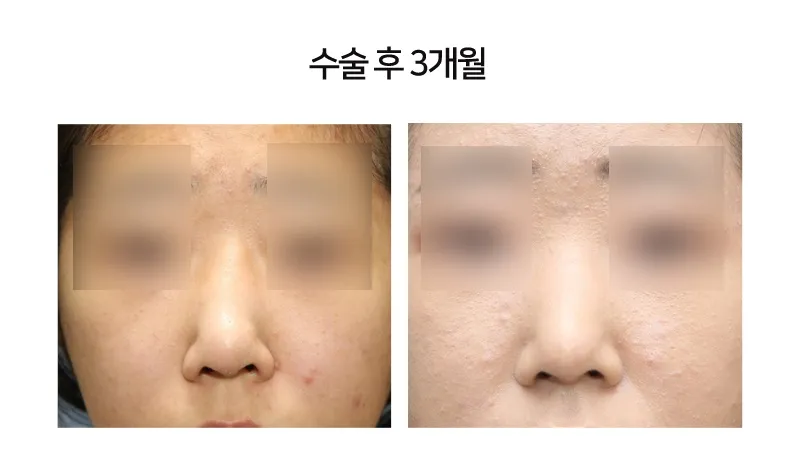
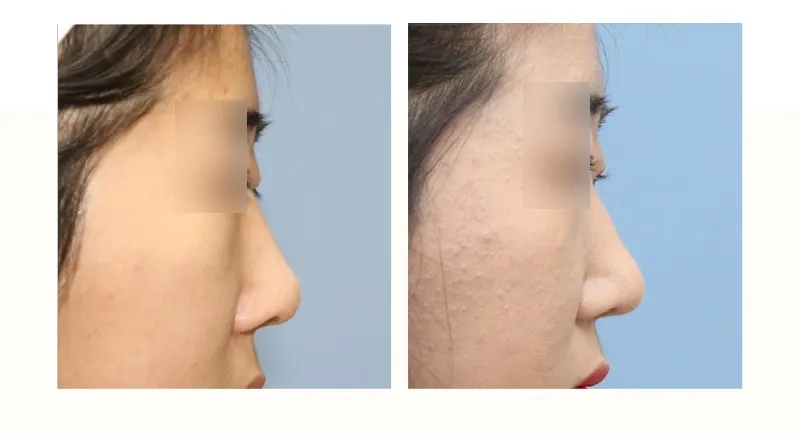
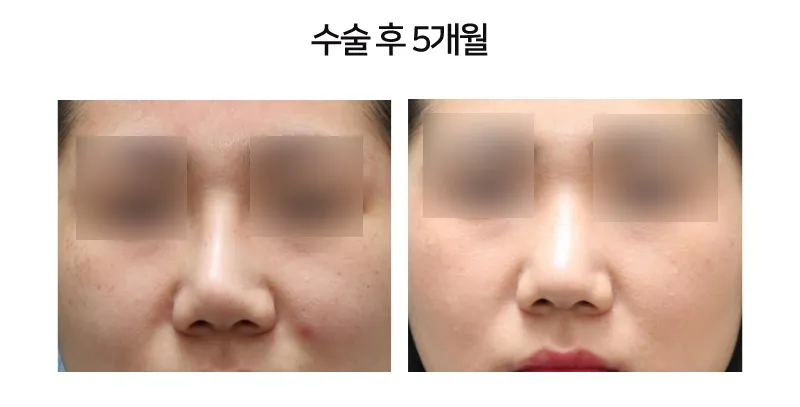
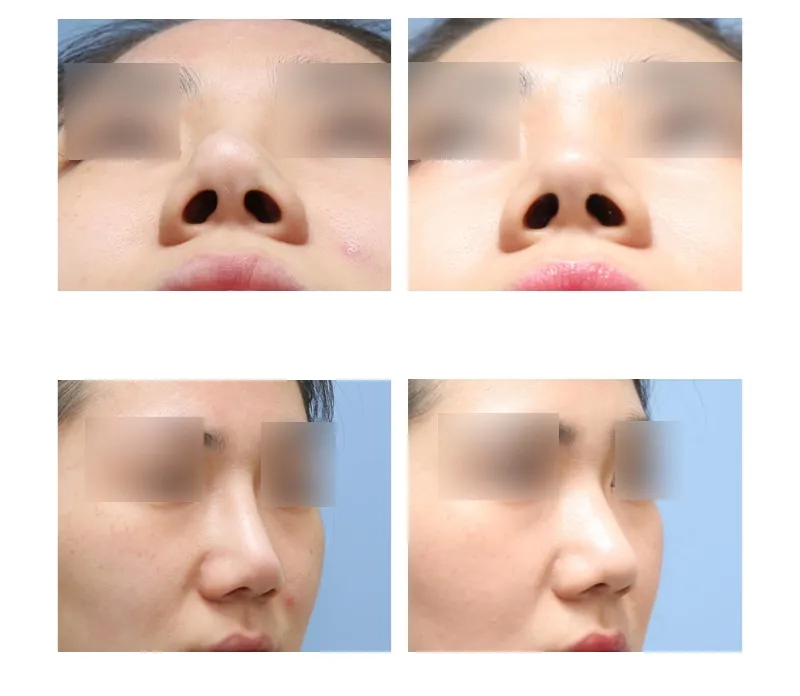
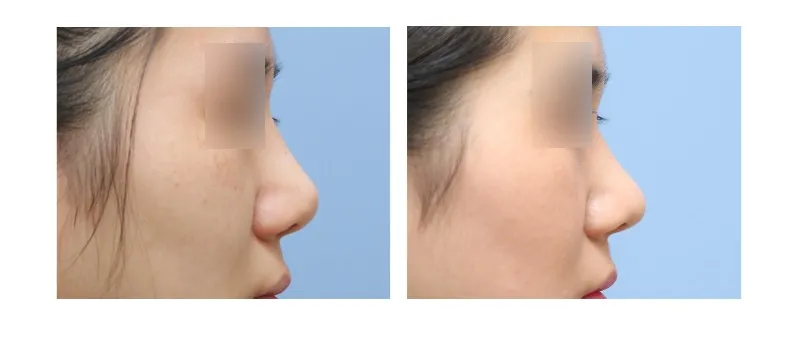
At 5 months after surgery, the dorsum has settled naturally.
The irregularity of the dorsum is gone, and no deformity of the nasal tip has appeared.
The nasal tip, which had looked upturned, improved naturally after the removal surgery.


 YouTube