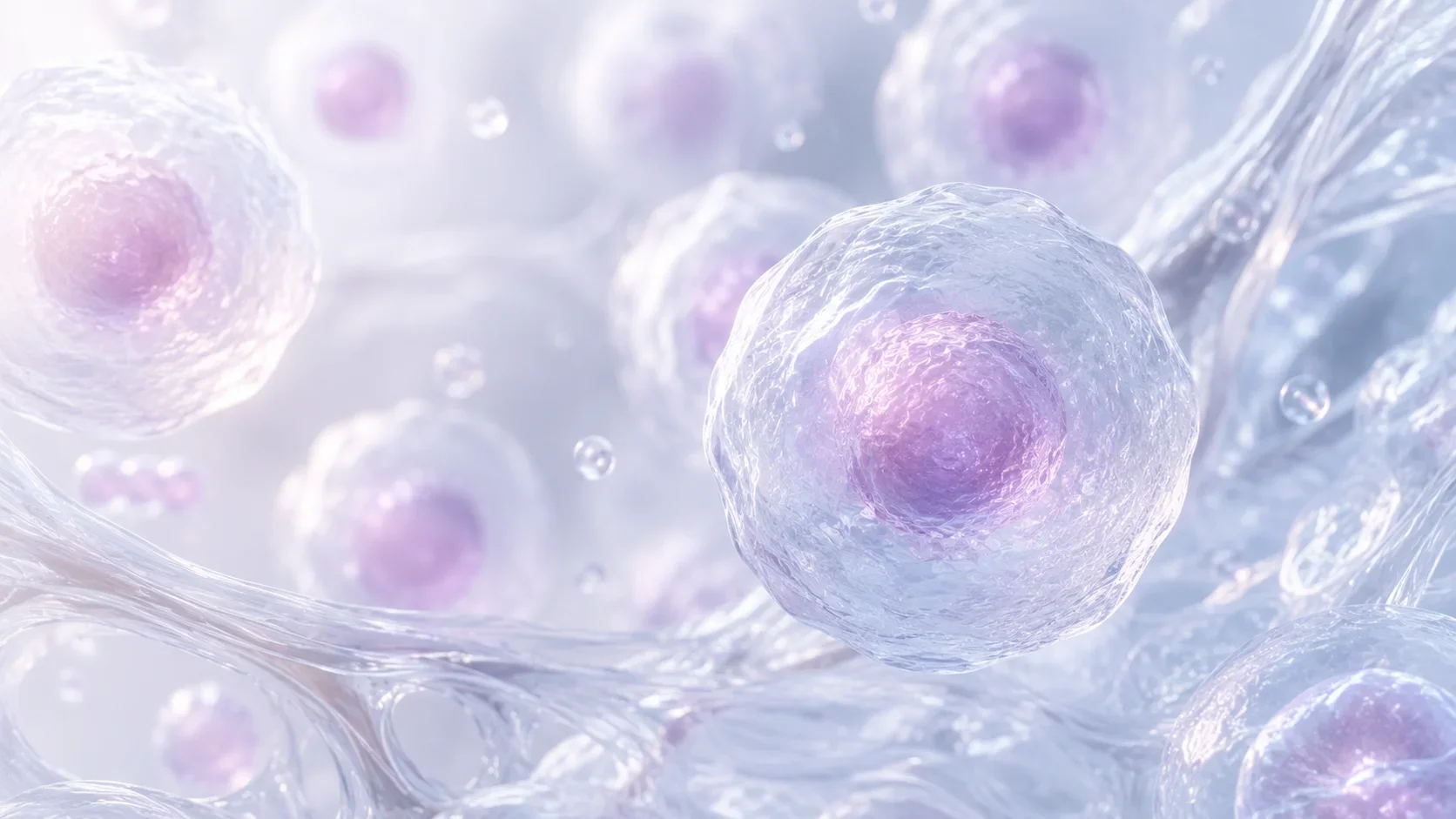
SutureMicro-Tissue Coring
Stem cells are isolated from your own tissue using a fine coring (Micro Coring) technique. This approach secures cell resources for dermal recovery while reducing the burden of harvesting.


service / Stem-cell
Using autologous stem cells isolated through micro-tissue coring,
we care for the skin's regenerative environment.
Why Lisoom
MCT Stem Cell is a regenerative treatment in which autologous stem cells are isolated using micro-tissue coring (Micro Coring) and injected into the dermis.
It is used to complement areas that are difficult to address with form-shaping surgical work: the recovery of thinned dermis, the micro-scarred tissue environment left by chronic inflammation, and the stabilization of tissue hardened by repeated procedures.
At RESUM Plastic Surgery, we first explain that surgery and regenerative treatment each address a different domain, and then decide together on the approach that suits your condition.
MCT Stem Cell is a regenerative treatment in which autologous stem cells are isolated through micro-tissue coring and injected into the dermis.
DESIGN PRINCIPLE
Stem cells are isolated from your own tissue using a fine coring (Micro Coring) technique. This approach secures cell resources for dermal recovery while reducing the burden of harvesting.

Stem cells are isolated from the harvested autologous tissue. Because your own cells are used, the risk of rejection tends to be low, and hygiene is prioritized throughout harvesting and isolation.

The isolated autologous stem cells are precisely injected into the thinned dermal layer to complement the recovery environment. This approach addresses the dermal domain that surgery has difficulty treating.

Results tend to appear gradually over 4-8 weeks as regeneration progresses, and vary from person to person depending on dermal condition and tissue characteristics.
Column
This is general medical information intended to help you understand research findings on PRP and PRF skin treatments. The results of the studies cited do not guarantee individual outcomes, and whether to have treatment, the method, and the number of sessions depend on an examination and your health condition. Sources were checked on October 1, 2026. Generated images are for illustration only and are not actual patients, equipment, specimens, microscope photographs, or treatment results.
Learn More
OUR PRINCIPLE

Micro-Tissue Coring
Stem cells are isolated from your own tissue using a fine coring technique. This approach secures cell resources for dermal recovery while reducing the burden of harvesting. The isolated autologous stem cells are injected into the thinned dermal layer to complement the recovery environment.

Dermal Recovery & Scar Environment
Surgery is strong at shaping form, but it has difficulty restoring thinned dermis or the micro-scarred tissue environment itself. MCT Stem Cell is an approach that complements this domain. It is performed under local anesthesia, and results appear gradually over 4-8 weeks as regeneration progresses.

Domain of Regeneration
We clearly explain the difference between the domains that surgery and regenerative treatment address.
MCT Stem Cell is an approach that complements the dermal environment surgery cannot reach; cases that need correction of form and cases that need dermal recovery are different domains. During your consultation, we explain which of the two you need.
Changes tend to appear gradually over 4-8 weeks, following the regenerative process in which the injected autologous stem cells act. Rather than being completed at once, the treatment plays a supportive role over the course of recovery.
The extent of recovery and the range of results vary with the degree of dermal damage and your tissue characteristics. Our principle is to determine together, through consultation, what is achievable.

Surgery is strong at shaping form, but it has difficulty restoring thinned dermis or the micro-scarred tissue environment itself. MCT Stem Cell is an approach that complements the domain of dermal recovery, which is difficult to address with form-shaping surgical work. The two domains are different, and we decide together on the approach that suits your condition. Surgery is strong at correcting form · Dermis and micro-scarred tissue are a separate domain · MCT complements dermal recovery · The approach is decided together based on your condition

It is used to complement the recovery of thinned dermis, the micro-scarred tissue environment left by chronic inflammation, and the stabilization of tissue hardened by repeated procedures. It is performed under local anesthesia, and changes tend to appear gradually as regeneration progresses. Helps with the recovery of thinned dermis · Helps improve the micro-scarred tissue environment · Complements the stabilization of hardened tissue · Performed under local anesthesia
NOTICE
PROCEDURE DATA
Treatment Overview
FOR WHOM
Consider a Consultation If
04 Recommended Cases

Doctor's Note
MCT Stem Cell is not a treatment that replaces surgery; it is an approach that complements the dermal environment surgery cannot reach. The two domains are different. My principle is to explain separately the cases that need correction of form and those that need dermal recovery, and to decide together on the combination that suits you.
PROCEDURE FLOW
01
PHASE I
We assess your dermal condition, scar environment, and goals to determine whether the treatment is suitable.
02
PHASE II
Autologous tissue is harvested using micro-tissue coring.
03
PHASE III
Autologous stem cells are isolated and precisely injected into the thinned dermal layer.
04
PHASE IV
We explain the recovery process and how to care for the treated area.
FREQUENTLY ASKED
We have compiled the questions patients ask most often before a consultation.
6F #601, 599-4 Sinsa-dong, Gangnam-gu, Seoul
(No lunch break on weekends and public holidays) *Dr. Won-Suk Kook is not available on the 1st and 3rd Saturdays of each month.
Parking Information Parking is available in the building. 1 hour of free parking
Subway 5-minute walk from Exit 3 of Apgujeong Station on Line 3 (right next to the 14-story CGV building at Exit 3)