PRP & PRF in Gangnam, Seoul | RESUM Plastic Surgery
Skip to main content

service / Stem-cell

Prp & Prf

PRP & PRF Autologous Blood Regeneration

PRP & PRF

A regenerative treatment that uses growth factors from your own blood
to support the recovery environment of damaged tissue.

Method
About 30-60 minutes, including blood draw and centrifugation
Anesthesia
Topical anesthesia if needed
Recovery
Return to daily activities after temporary redness and swelling
Summary PRP & PRF - An autologous blood regenerative treatment that helps damaged tissue recover using growth factors obtained from your own blood. Medical Review Medical Review: Won-Suk Kook,Jin-Young Kim
Last updated: 2026-06-27

Why Lisoom

Overview An autologous blood regenerative treatment that helps damaged tissue recover using growth factors obtained from your own blood

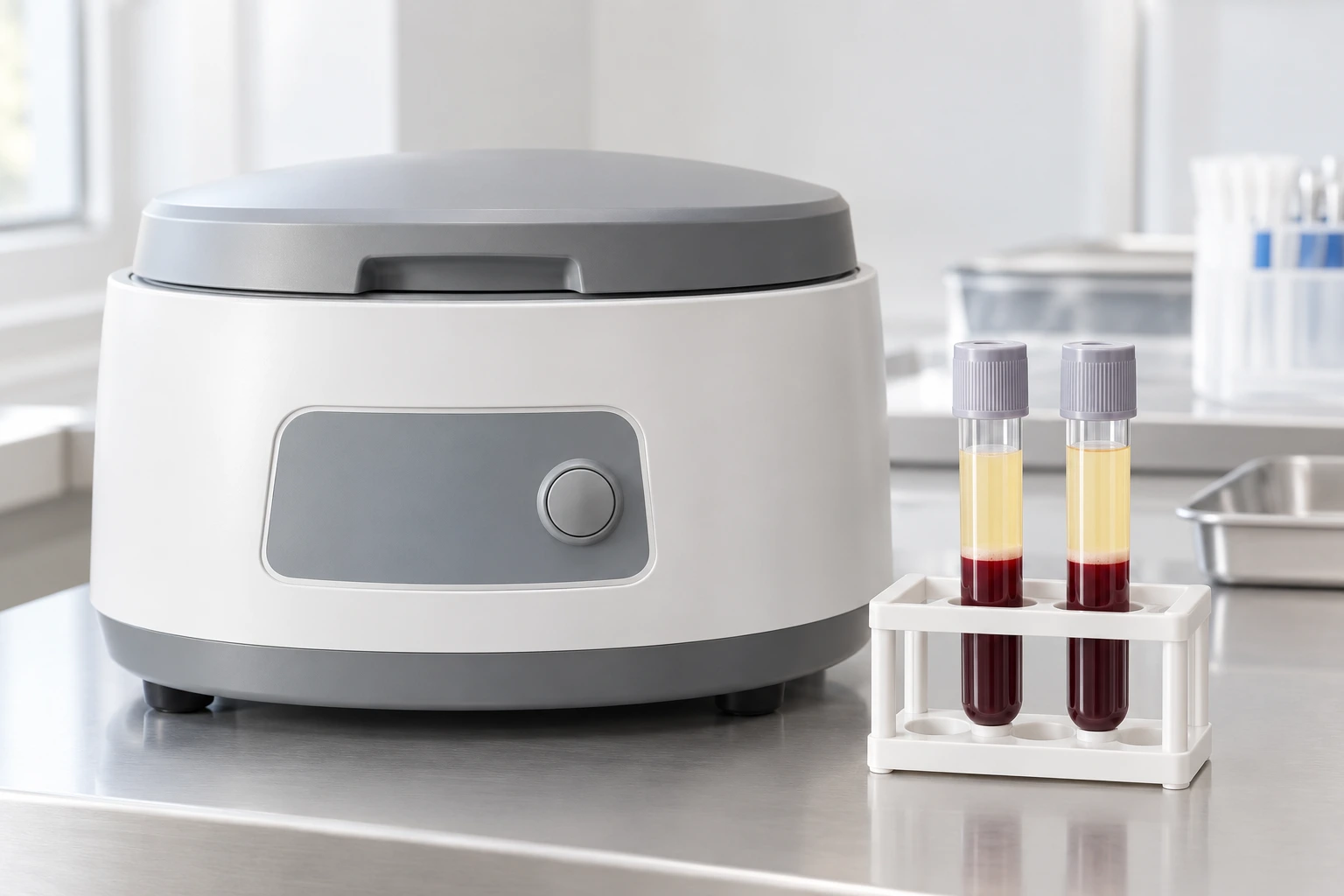
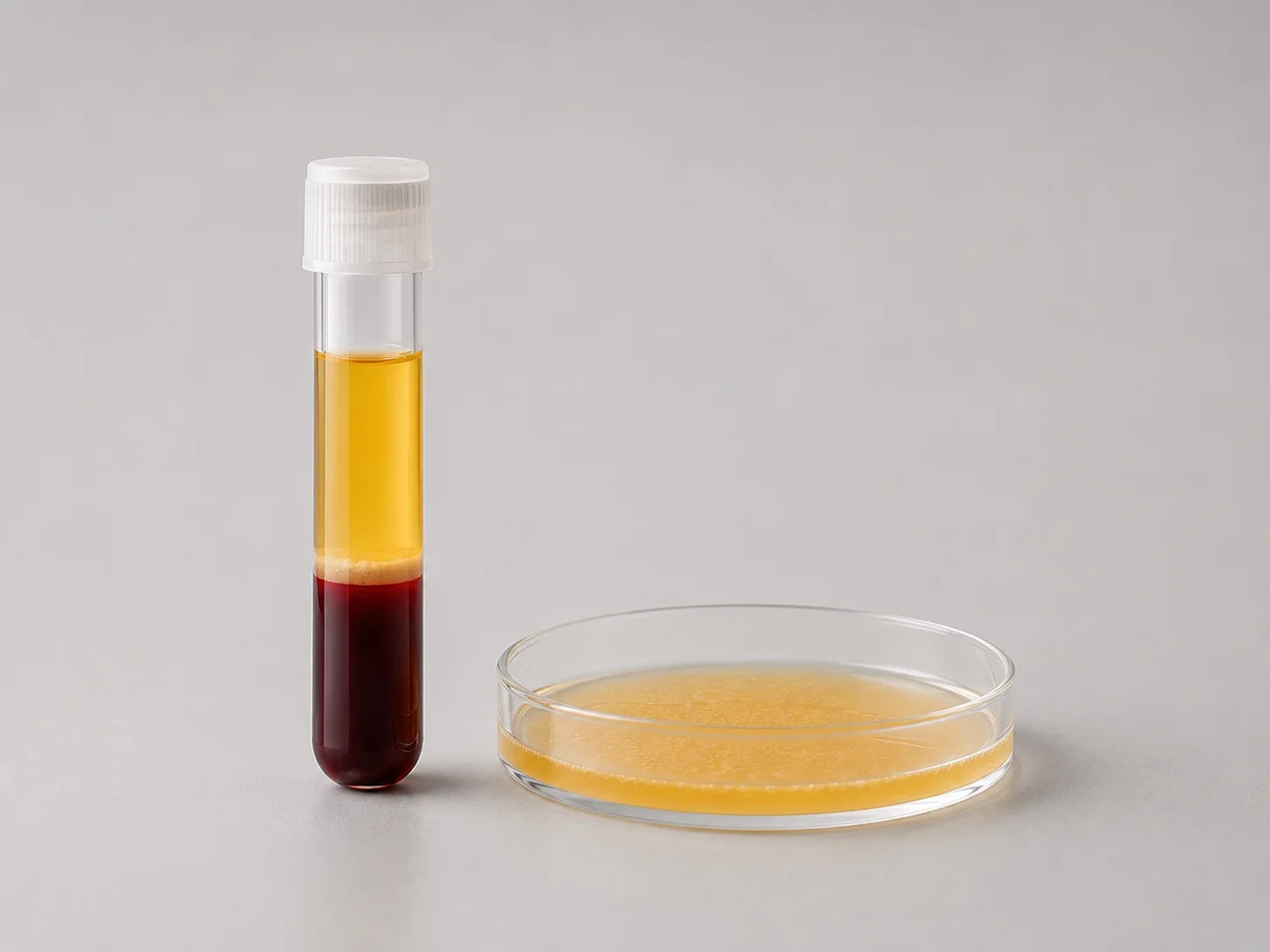
PRP (platelet-rich plasma) and PRF (platelet-rich fibrin) are autologous blood preparations made by centrifuging the patient's own blood to concentrate its growth factor-rich components.
It has been reported that the various growth factors released from the alpha granules in platelets may help tissue recovery and the reorganization of collagen and elastin.
Because your own blood is used, the likelihood of a foreign body reaction is relatively low; results and responses vary from person to person, so a clinical consultation is necessary.

An autologous blood regenerative treatment that helps damaged tissue recover using growth factors obtained from your own blood.

DESIGN PRINCIPLE

Methods
How PRP & PRF Autologous Blood Regeneration Works

Autologous Blood-Based Regenerative Support SUTURE guide image

SutureAutologous Blood-Based Regenerative Support

This is an autologous preparation made by drawing the patient's own blood, centrifuging it, and then separating and using only the layer in which growth factors are concentrated. Because no foreign substances are added and components of your own blood are used, the likelihood of rejection or allergy has been reported to be relatively low.

Autologous Blood Centrifugation Growth Factors
Growth Factor Support for Tissue Recovery HYBRID guide image

HybridGrowth Factor Support for Tissue Recovery

As platelets are activated, growth factors such as PDGF, TGF-β, VEGF, and EGF are released, and they are known to be involved in wound healing, new blood vessel formation, and collagen synthesis. In this way, they play a supportive role in improving the environment for skin texture and elasticity.

PDGF TGF-β VEGF
Differences Between PRP and PRF PARTIAL guide image

PartialDifferences Between PRP and PRF

PRP is a liquid that is easy to inject, so it tends to be well suited to application or injection over wide areas, while PRF is made without an anticoagulant, and it has been reported that growth factors are released more slowly and gradually from within its fibrin network structure. We choose one or combine them depending on the area and purpose.

PRP PRF Tags
Combination with Other Treatments INCISION guide image

IncisionCombination with Other Treatments

PRP and PRF are used on their own, but they are also used together with microneedling, fat grafting, SVF, and similar treatments as a way of supporting the recovery environment. Whether and to what extent to combine treatments is decided during your clinical consultation based on your condition.

Microneedling Fat Grafting SVF

Column

Column
Doctor's Column

This is general medical information intended to help you understand research findings on PRP and PRF skin treatments. The results of the studies cited do not guarantee individual outcomes, and whether to have treatment, the method, and the number of sessions depend on an examination and your health condition. Sources were checked on October 1, 2026. Generated images are for illustration only and are not actual patients, equipment, specimens, microscope photographs, or treatment results.

Learn More
PRP Skin Treatment: When Satisfaction and Photo Assessment Differ

OUR PRINCIPLE

Core Values
The Principles RESUM Keeps

PRP and PRF are based on the principle of autologous regenerative support, helping growth factors obtained from your own blood take part in the tissue recovery process.

Platelet Activation

Platelet Activation

Platelet Activation

As the concentrated platelets are activated, growth factors in the alpha granules are released and take part in transmitting recovery signals.

Growth Factor Release

Growth Factor Release

Growth Factor Release

PDGF, TGF-β, VEGF, and other factors have been reported to act on new blood vessel formation, collagen synthesis, and cell proliferation.

Tissue Remodeling

Tissue Remodeling

Tissue Environment Recovery

The restored microenvironment plays a supportive role in improving skin texture, elasticity, and the wound-healing environment.

POINT 03 How It Works

Core Principles of PRP & PRF

PRP (Platelet-Rich Plasma)

PRP (Platelet-Rich Plasma)

PRP is plasma in which the platelet concentration has been raised by centrifuging the patient's own blood. It has been reported that when platelets are activated, growth factors are released from the alpha granules and may help the wound healing and tissue regeneration processes. Because it is a liquid, it is relatively easy to inject and apply. Autologous preparation extracted from your own blood · Concentrated platelet growth factors · Liquid form suited to injection and application · May help improve the tissue recovery environment

PRF (Platelet-Rich Fibrin)

PRF (Platelet-Rich Fibrin)

PRF is a second-generation autologous preparation obtained by centrifuging blood without an anticoagulant; platelets, white blood cells, and growth factors are held together within its fibrin network structure. It has been reported that, thanks to this network structure, growth factors tend to be released slowly over a certain period. Autologous preparation made without an anticoagulant · Growth factors held in a fibrin network structure · Growth factors tend to be released slowly · Contributes to forming a tissue-supporting environment

POINT 04 Benefits

Do PRP & PRF Work the Same for Everyone?

First, the condition of your blood and individual differences affect the results.

The amount of growth factors concentrated and the response may vary with platelet count and activity and with overall health. Even with the same treatment, the degree of recovery may differ from person to person.

Second, it is better to evaluate over time than after a single session.

The tissue regeneration response tends to build up over several weeks rather than immediately after the treatment, so it is appropriate to observe the results over time. The treatment is sometimes repeated at set intervals when needed.

Third, there are limits to what it can achieve.

PRP and PRF are supportive treatments that help the tissue environment recover; when structural change is needed, we consider them together with other methods. We set the expected range of results together during your clinical consultation.

POINT 05 IV Indications

Indications for Activated PRP IV Therapy

These are indications reported for systemic therapy in which components obtained from your own blood are administered intravenously. Results and suitability are assessed during your clinical consultation based on your individual condition.

Metabolism, Liver & Blood Flow

Related to liver function improvement, hyperlipidemia, blood flow improvement, and varicose veins of the legs

Cardiovascular & Cerebrovascular

Related to cardiovascular disease, cerebrovascular disease, and hypertension

Endocrine & General Condition

Related to diabetes, chronic fatigue, menopausal symptoms, and improvement of sexual function

Skin Conditions

Related to atopic dermatitis and psoriasis

Nerves & Cognition

Related to dementia and Parkinson's disease

POINT 06 Systemic Mechanism

Systemic Mechanisms of Action of IV Therapy

In aesthetic dermatology, it is used as an adjunct to the care of overall skin tone and radiance, and when photoaging or systemic inflammation is present, IV therapy and local therapy are sometimes combined to enhance the effect.

Systemic Antioxidant & Anti-Inflammatory

It has been reported that easing stress and chronic low-grade inflammation may reduce factors that accelerate skin aging.

Regenerative Signaling Environment

Through the distribution of circulating growth factors and extracellular vesicles, it is understood to create a systemic regenerative signaling environment (regenerative milieu).

Improved Microcirculation

Improved peripheral circulation may contribute indirectly to skin color and nutrient supply.

Stem Cell Mobilization

A hypothesis has been reported that SDF-1-mediated stem cell mobilization at the systemic level is involved.

POINT 07 Local Effect

Effects of Activated PRP & PRF Local Therapy

As a route that delivers high concentrations of bioactive substances directly to the dermis and epidermis, it is used in skin regeneration therapy.

Collagen & Elastin

By activating fibroblasts, it helps induce new collagen and elastin and may contribute to improving elasticity and wrinkles.

Blood Flow & Radiance

Through dermal angiogenesis, it plays a supportive role in improving skin blood flow and radiance (skin glow).

Epidermal Regeneration

Through epidermal regeneration and barrier recovery, it has been reported to help the remodeling of scars and skin texture.

POINT 08 Local Indications

Indications for Local Therapy

The standard schedule is 3-4 sessions at 1-month intervals; after 4 sessions, the maintenance period and interval are set according to the degree of improvement.

Skin Rejuvenation & Elasticity

Skin rejuvenation, improved elasticity and wrinkles

Scar Improvement

Improvement of acne scars and other scars

Eye Area & Dark Circles

Eye area and dark circle improvement

Pores & Tone

Pores, skin texture, pigmentation, and a brighter tone

NOTICE

Precautions
Aftercare & Precautions

N · 01 PRP and PRF are autologous preparations that use your own blood, but temporary redness, swelling, and bruising may occur at the treatment site.
N · 02 If you are taking medication that affects blood clotting or platelet function, please let us know in advance at the consultation stage.
N · 03 If you have an active infection, a blood disorder, or certain chronic conditions, use of the treatment may be limited, so a prior assessment is necessary.
N · 04 The response to growth factors tends to appear gradually over several weeks after the treatment, so it is advisable to allow a longer period before evaluating results.
N · 05 Responses may differ depending on platelet concentration and individual recovery capacity, so the treatment is sometimes repeated at set intervals when needed.
N · 06 For a certain period after the treatment, we recommend cutting back on saunas, intense exercise, alcohol, and smoking.
N · 07 Results, limitations, and the number of sessions depend on your individual condition, so we recommend a clinical consultation at RESUM Plastic Surgery before treatment.


PROCEDURE DATA

Summary
Treatment Overview

Procedure

Treatment Overview

Treatment time
About 30-60 minutes, including blood draw and centrifugation
Anesthesia
Topical anesthesia if needed
Recovery
Return to daily activities after temporary redness and swelling

FOR WHOM

Candidates

Consider a Consultation If

05 Recommended Cases

01 Those who prefer an autologous regenerative support treatment using their own blood
02 Those who want to try improving the environment for skin texture and elasticity in a relatively gentle way
03 Those who want to support the recovery environment alongside microneedling, fat grafting, or similar treatments
04 Those considering a treatment with a low likelihood of foreign body reaction
05 Those who want to care for their skin condition step by step over time
Won-Suk Kook · M.D. - RESUM Plastic Surgery Clinic

Doctor's Note

PRP and PRF are supportive treatments that use growth factors obtained from your own blood to help the tissue recovery environment. Rather than pushing the intensity or the amount too far, I believe it is important to use them within an appropriate range suited to each person's blood condition and purpose. Because results and limitations vary from person to person, I recommend proceeding after a thorough consultation.

Won-Suk Kook · M.D.

Dr. Won-Suk Kook, Chief Director

PROCEDURE FLOW

Process
Treatment Process

01

PHASE I

Consultation & Assessment

We review your skin and recovery goals, current medications, and health to determine whether PRP or PRF is suitable for you.

CONSULT

02

PHASE II

Blood Draw & Centrifugation

A small amount of your blood is drawn and centrifuged to separate the PRP or PRF layer, in which growth factors are concentrated.

STEP

03

PHASE III

Treatment

The separated preparation is injected into or applied to the target area and, when needed, combined with microneedling or similar treatments.

PROCEDURE

04

PHASE IV

Guidance

We explain aftercare, the expected course of recovery, and, where necessary, the timing of additional treatment.

STEP

FREQUENTLY ASKED

FAQ
Frequently Asked Questions

We have compiled the questions patients ask most often before a consultation.

Both are autologous preparations obtained from your own blood. PRP is a liquid and tends to supply growth factors relatively immediately, while PRF is made without an anticoagulant, and it has been reported that growth factors are released slowly from within its fibrin network. We choose one or use both together depending on the area and purpose.
It depends on your condition and purpose. Rather than ending with a single session, the treatment is sometimes repeated at set intervals, and we decide the appropriate number of sessions together during your clinical consultation.
For a certain period after the treatment, it is advisable to cut back on saunas, intense exercise, alcohol, and smoking. Temporary redness or swelling tends to subside gradually; if any abnormal reaction persists, please visit the clinic to have it checked.
Because components of your own blood are used, the likelihood of a foreign body reaction or allergy has been reported to be relatively low. However, temporary swelling or bruising may occur during the blood draw and injection, and use of the treatment may be limited depending on your health, so a medical evaluation beforehand is necessary.
The tissue regeneration response tends to appear gradually over several weeks rather than immediately after the treatment. The timing and degree of response vary from person to person, so it is advisable to observe the results over time.
It is sometimes used together with microneedling, fat grafting, SVF, and similar treatments as a way of supporting the recovery environment. Whether and to what extent to combine treatments is decided during your clinical consultation based on your skin condition.

RESUM Plastic Surgery Clinic Location

#601, 6F, 842 Nonhyeon-ro, Gangnam-gu, Seoul

6F #601, 599-4 Sinsa-dong, Gangnam-gu, Seoul

HOURS

Weekdays
10:00 ~ 20:00
Saturday
10:00 ~ 17:00
Lunch Break
1:00 PM - 2:00 PM

(No lunch break on weekends and public holidays) *Dr. Won-Suk Kook is not available on the 1st and 3rd Saturdays of each month.

Parking Information Parking is available in the building. 1 hour of free parking

Subway 5-minute walk from Exit 3 of Apgujeong Station on Line 3 (right next to the 14-story CGV building at Exit 3)

RESUM Plastic Surgery Clinic CEO Won-Suk Kook Business No. 733-11-02929 Phone 02-3445-7770