Fillers in Gangnam, Seoul | RESUM Plastic Surgery
Skip to main content

service / Filler

Filler

Fillers

FILLER

We study the anatomy and product properties for each area
to plan natural-looking volume and contours.

Method
10-30 min
Anesthesia
Recovery
Topical or local anesthesia · Daily activities right after
Summary Fillers are a treatment that corrects volume and contour using injectables such as hyaluronic acid, chosen to suit the area and purpose; results vary with the product's viscoelasticity and the injection layer. At RESUM Plastic Surgery in Gangnam (Apgujeong), Seoul, products are selected for each area. Medical Review Medical Review: Won-Suk Kook,Jin-Young Kim
Last updated: 2026-08-10

Why Lisoom

Overview Fillers with Products and Injection Depths by Area,
Planned for Each Patient

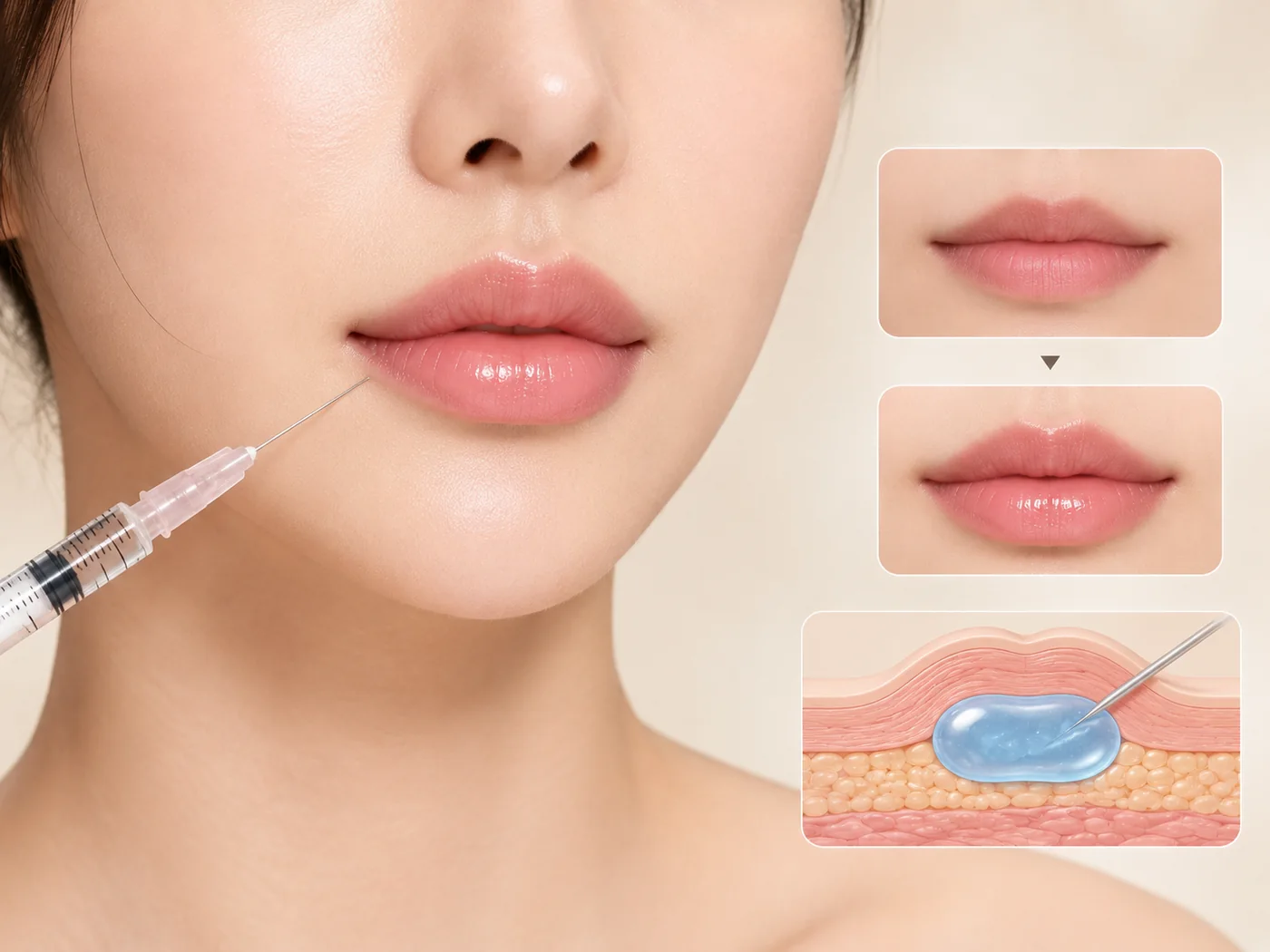
Fillers are a treatment in which cross-linked hyaluronic acid (HA) is injected beneath the skin to correct volume and contour lines.
HA chains are bonded with a cross-linking agent such as BDDE, and each product is engineered with different viscoelasticity (storage modulus, G') and cohesivity; even the same filler gives different results depending on the area and depth at which it is placed.
Some adjustment is possible with a dissolving enzyme (hyaluronidase), but nodules, bruising, and other responses vary by individual, so it is more natural to plan the area, amount, and depth first and then proceed conservatively.

Fillers with Products and Injection Depths by Area, Planned for Each Patient

Before & After

Fillers Before & After

Subcategory
Time Since Procedure

Complications such as bleeding, infection and inflammation may occur depending on the individual, so caution is needed.
Results may vary by individual. Please confirm the method and expected results that suit you through a consultation.

DESIGN PRINCIPLE

Methods
How Fillers Work

Nose SUTURE guide image

SutureNose

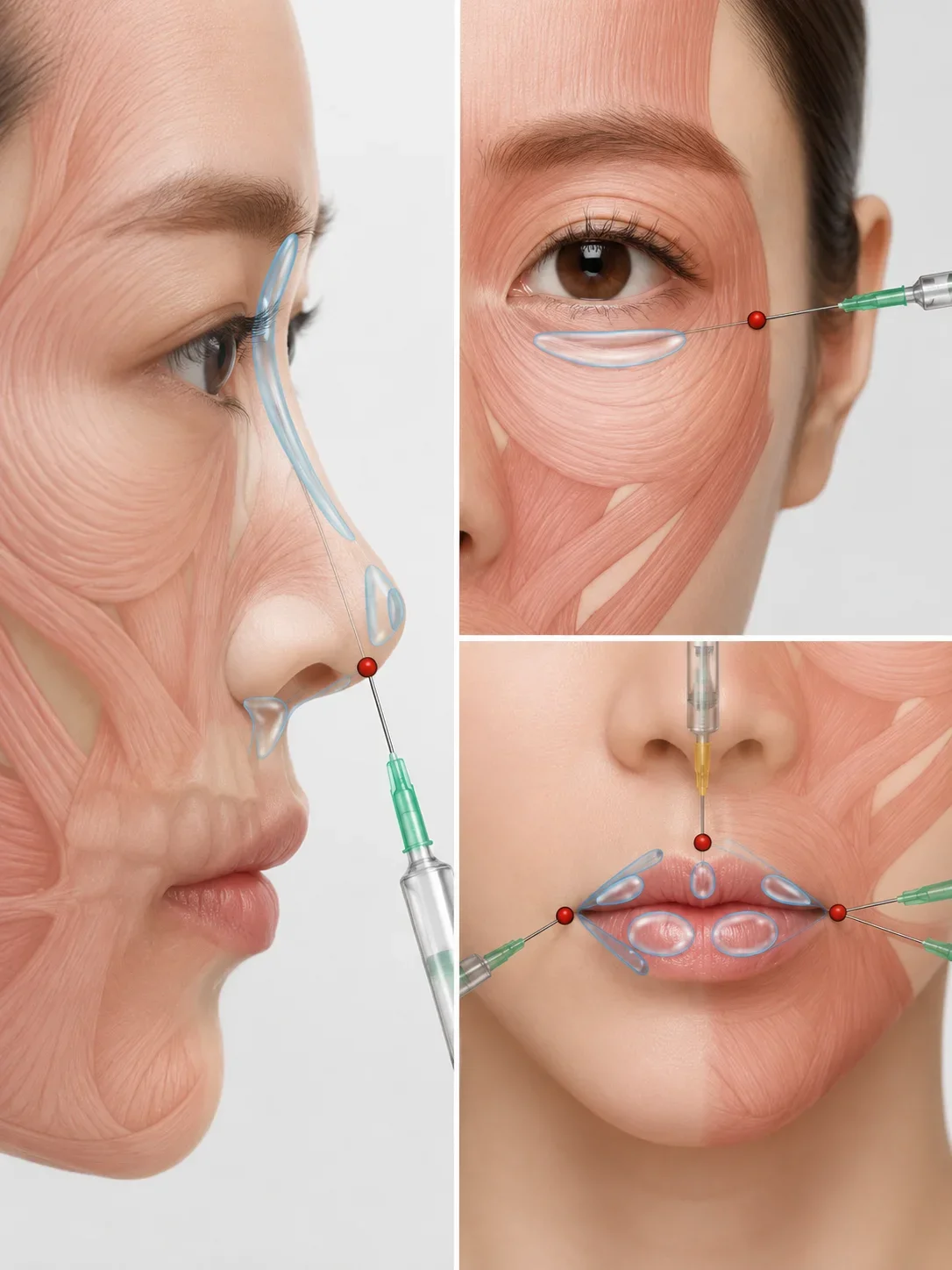
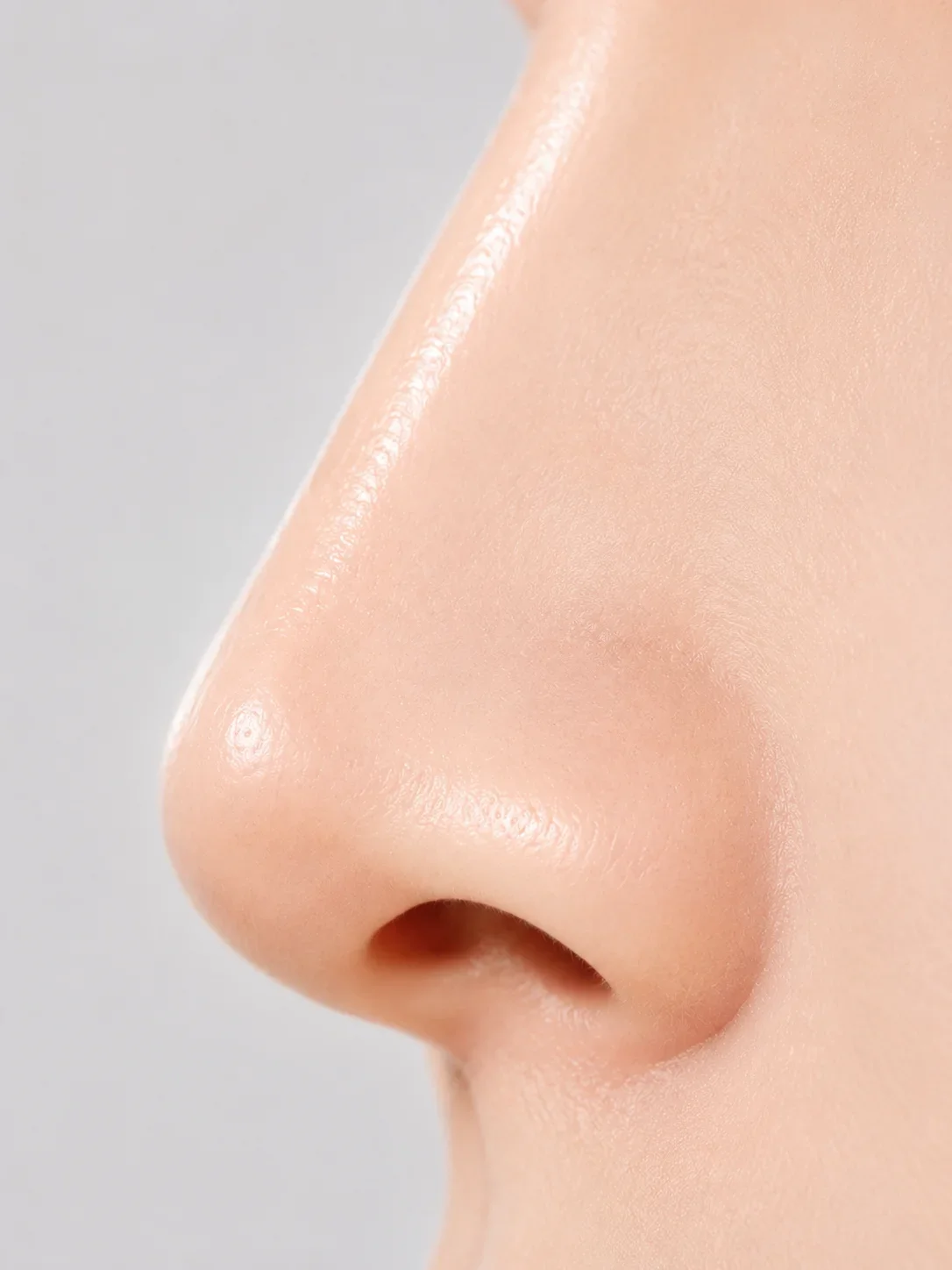
Filler is used along the nasal bridge and to support the nasal tip, with only a conservative amount of a highly cohesive product placed at the supraperiosteal depth. Because the angular artery and the ophthalmic artery lie close by, the nose is reported to be one of the areas with the highest risk of vascular complications, so we are cautious about recommending the treatment at all. When a larger change is needed, rhinoplasty with autologous cartilage may be more suitable than filler, and we tell you so candidly at the consultation.

Supraperiosteal Depth Highly Cohesive Product Conservative Volume
Forehead HYBRID guide image

HybridForehead

The forehead is an area where the curve is built with multilayer supraperiosteal injection; rather than filling a flat area all at once, controlling the amount to create a gentle curve determines the result. In the glabellar area, where the supratrochlear and supraorbital arteries run, depth and position are chosen with care. We also look at the profile curve so that the line connecting the nasal bridge and the glabella looks natural.

Supraperiosteal Multilayer Curve First Profile Planning
Chin PARTIAL guide image

PartialChin

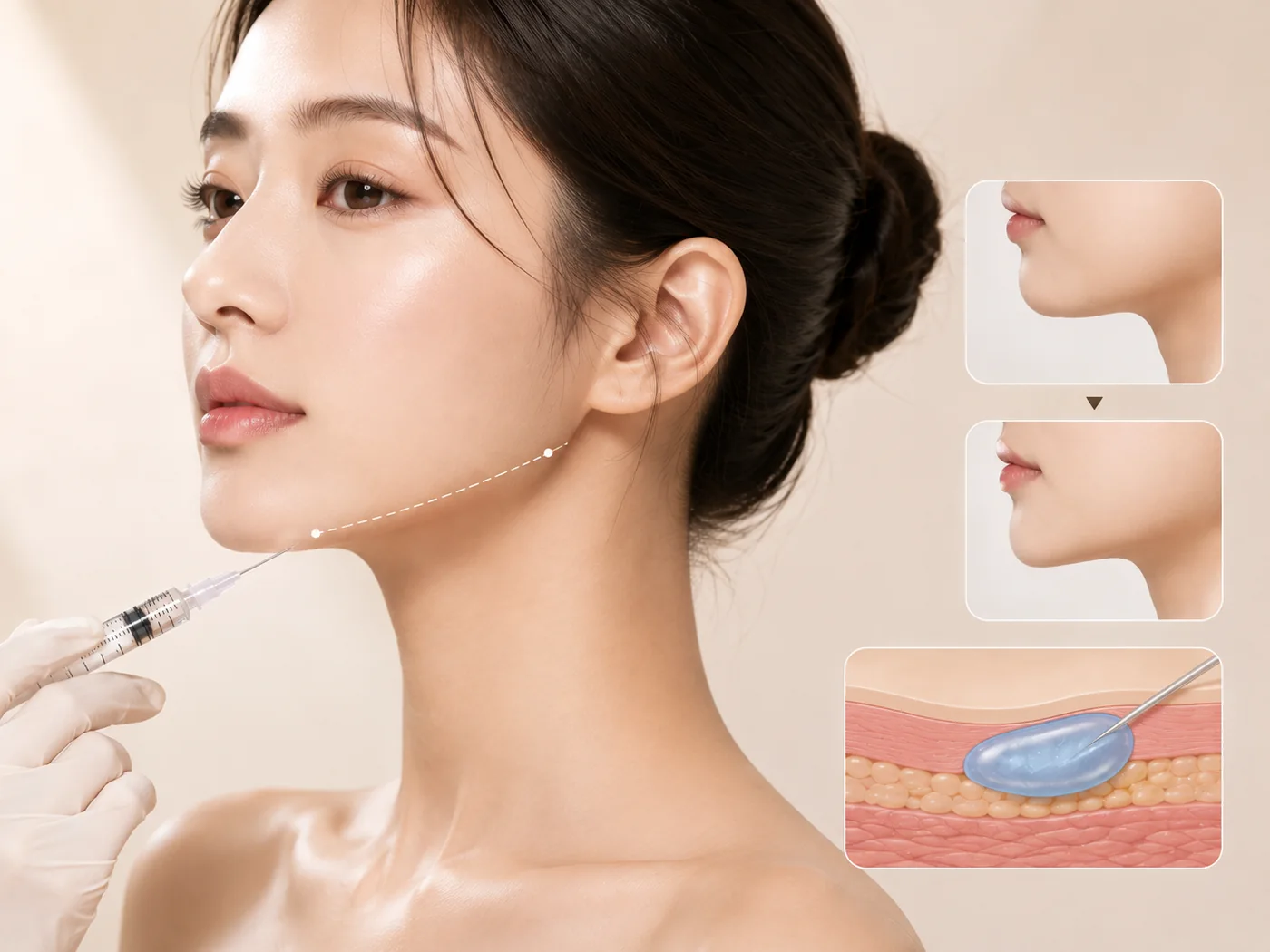
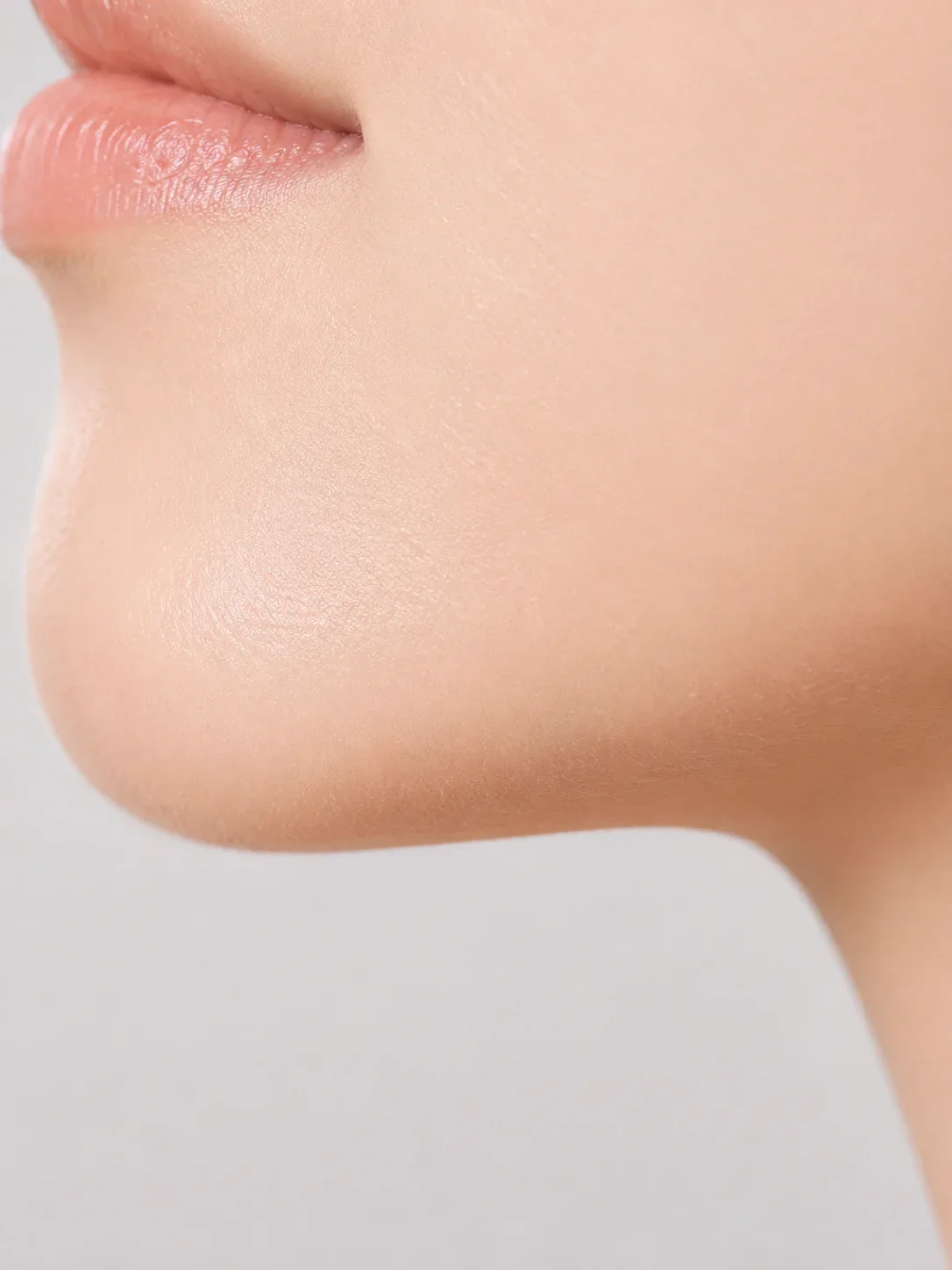
The chin is an area where a highly viscoelastic product is injected into the deep layer above the periosteum of the mentum to create length and a defined profile line. When a receding chin requires a very large change, implant surgery may be more suitable than filler, and we explain this at the consultation. A combination of masseter Botox to reduce width and chin filler to add length is often used; the order of treatments is decided at the consultation.
Supraperiosteal at Mentum Profile Line Compared with Implants
Lips INCISION guide image

IncisionLips

The lips have detailed structures such as the vermilion border, the body, and the Cupid's bow, so viscosity and injection volume must vary by area, and the amount injected in 1 session is kept conservative, usually within 1ml. Treatments that increase the volume of the lips themselves and horizontal widening treatments, which lengthen the horizontal line at the corners of the mouth to balance the proportions of the mouth, are planned differently. Because the lips move a great deal with facial expression, the duration is described as shorter than in other areas, around 6-12 months.

vermilion border Within 1ml Horizontal/Vertical

OUR PRINCIPLE

Core Values
The Principles RESUM Keeps

With fillers, the result is determined by the planning of area, depth, and amount rather than by the product name. At RESUM, we are not swayed by product marketing; we look first at the patient's contours and safety.

Right Product

Right Product

Products by Area

For areas that must hold structure, such as the cheekbones and chin, we select volumizers with a high G' value; for areas where the filler must follow the natural texture, such as the lips and under-eyes, we select soft products with a low G' value. After assessing skin thickness and contours at the consultation, we combine different products for different areas even in a single patient. We do not recommend a particular brand across the board; decisions are based on suitability for the area.

Right Amount

Right Amount

Appropriate Amount

Our basic approach is staged: rather than filling a lot at once, we start with less and add more after 2-4 weeks. Overfilling is the most common cause of unnatural contours, nodules, and asymmetry, and removing filler once it has been placed is the more burdensome process. Rather than recommending an excessive amount, we start conservatively and let the patient decide whether to add more.

Safe Depth

Safe Depth

Safe Depth

We review the distribution of major vessels such as the ophthalmic, angular, and supratrochlear arteries and control the injection depth to the supraperiosteal plane or a safe dermal layer. In high-risk areas we give priority to a cannula, inject small amounts slowly, and monitor the pressure. To prepare for possible vascular complications, we check in advance that a dissolving enzyme (hyaluronidase) is on hand and that emergency response procedures are in place.

POINT 03 Features

Filler Features

How HA Fillers Work

How HA Fillers Work

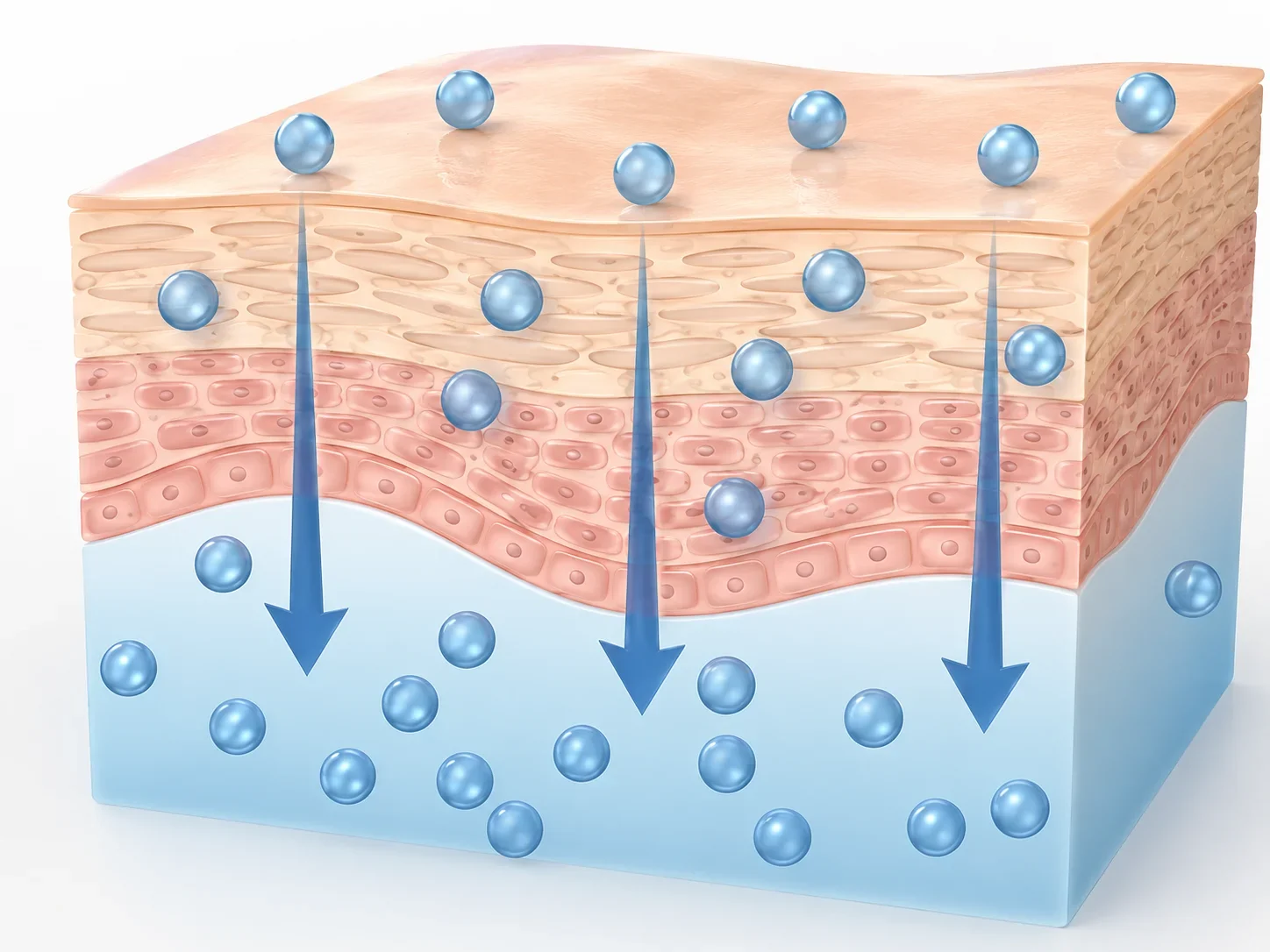
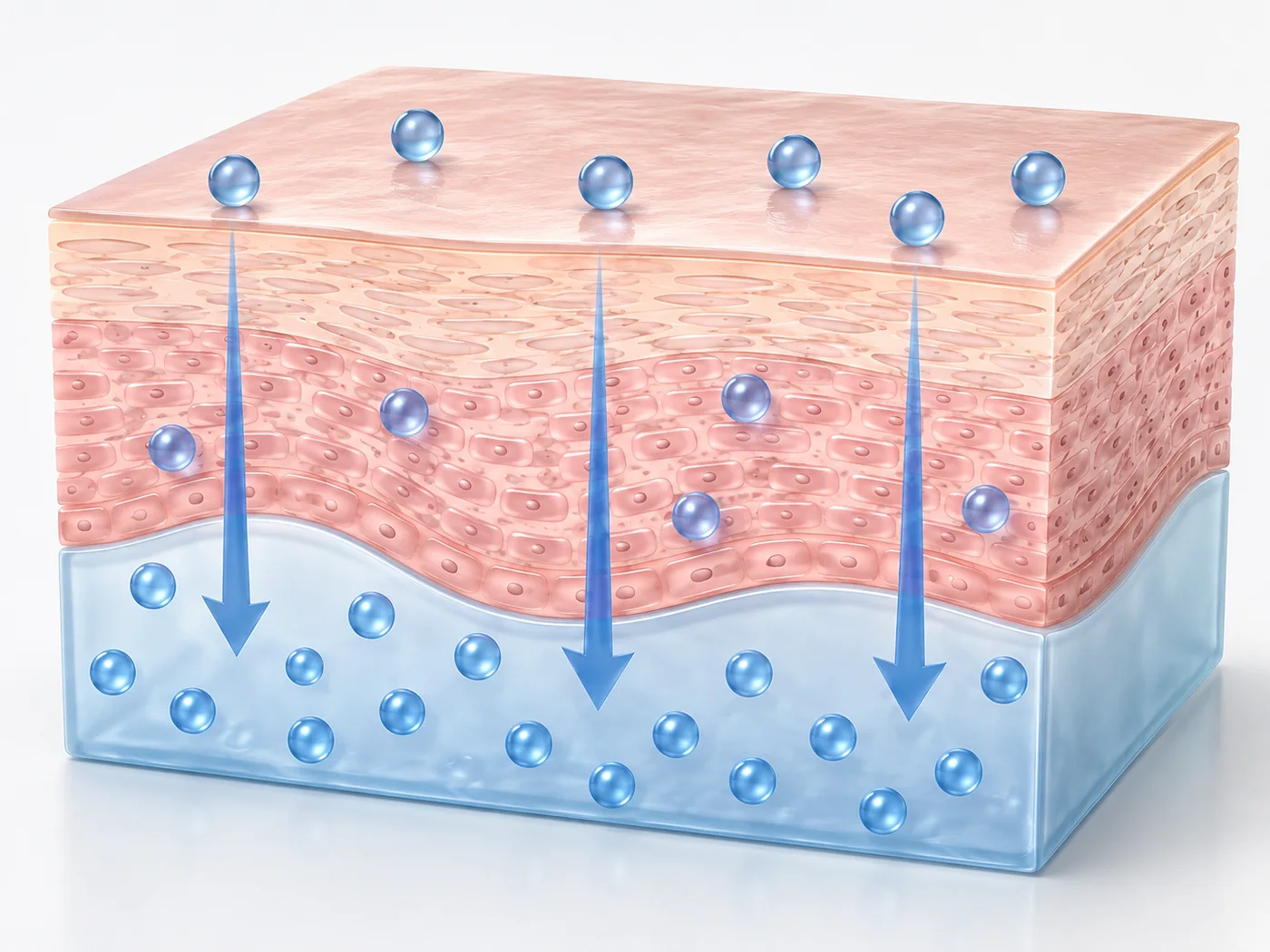
HA fillers work by injecting a gel made by cross-linking hyaluronic acid, a component naturally present in the skin, with BDDE or a similar agent. The cross-linked structure makes the gel more stable so that it does not break down easily, helping volume to be maintained for a certain period. The injected HA attracts water, creating soft volume where it settles. Cross-linked HA gel injected beneath the skin. BDDE cross-linking slows breakdown, supporting longevity. Soft volume through water affinity. Partly adjustable with hyaluronidase if needed.

Planning Tailored to Each Area (Viscoelasticity and Injection Layer)

Planning Tailored to Each Area (Viscoelasticity and Injection Layer)

Each product is engineered with a different storage modulus (G') and cohesivity: products with a high G' suit areas that need structure, such as the cheekbones and chin, while soft products with a low G' suit areas where the filler follows the natural texture, such as the lips and under-eyes. Injection layers are divided into supraperiosteal, deep dermis, and multilayer dermis, and since each depth calls for a different viscosity, we do not treat every area with a single product. In areas with dense vascular distribution, we give priority to a cannula and inject small amounts slowly. High G' → structural areas, low G' → soft areas. Depth divided into supraperiosteal, deep dermis, and multilayer dermis. Products and amounts combined for each area. Cannula first in high-risk areas, with small divided injections.

NOTICE

Precautions
Aftercare & Precautions

N · 01 Fillers are not injected in large amounts at once; starting with less and building up in stages looks more natural.
N · 02 The suitable product and injection depth differ by area, so we do not treat every contour with a single product.
N · 03 Temporary bruising, swelling, and tenderness may occur after injection and settle within a few days.
N · 04 Nodules or asymmetry may occur in rare cases, and these are sometimes partly adjusted with a dissolving enzyme.
N · 05 Vascular complications have been reported very rarely, so in high-risk areas we give priority to a cannula and inject slowly in small amounts.
N · 06 Treatment is not performed during pregnancy or on areas with active skin infection or severe inflammation; please let us know at the consultation if you are taking anticoagulants.
N · 07 Results may vary depending on individual constitution and treatment condition, and a consultation with a board-certified specialist is required before treatment.

PROCEDURE DATA

Summary
Treatment Overview

Procedure

Treatment Overview

Treatment time
10-30 min
Anesthesia
Topical Anesthesia
Daily activities
Right after
Duration
About 6-12 months

FOR WHOM

Candidates

Consider a Consultation If

05 Recommended Cases

01 Those who wish to refine certain contours, such as the nose, forehead, chin, lips, anterior cheeks, lateral cheeks, or under-eyes, without surgery
02 Those who want to correct their contours with less surgical burden and a shorter recovery period
03 Those who prefer gradual, staged enhancement to a big change all at once
04 Those whose previous filler results look unnatural or show noticeable asymmetry and need a new plan
05 Those who want a 1:1 plan suited to their condition, with different products and depths for each area
Jin-Young Kim · M.D. - RESUM Plastic Surgery Clinic

Doctor's Note

With fillers, it is not the product that creates the result. Where, how much, and at what depth it is placed determines the result. It is more natural to keep to academically validated safe depths and appropriate amounts, starting with less and building up in stages. After assessing each patient's contours 1:1, we combine different products for each area.

Jin-Young Kim · M.D.

Dr. Jin-Young Kim, Director

PROCEDURE FLOW

Process
Treatment Process

01

PHASE I

Diagnosis

We assess facial structure, contours, and past treatment history to confirm whether the area is suitable for filler.

CONSULT

02

PHASE II

Planning

We decide the product, injection depth, and amount for each area and set a staged enhancement plan together.

DESIGN

03

PHASE III

Injection

After topical or local anesthesia, we inject precisely in small amounts, giving priority to a cannula in high-risk areas.

STEP

04

PHASE IV

Guidance

We check the contour right after injection and explain follow-up care and the timing of any additional treatment.

STEP

FREQUENTLY ASKED

FAQ
Frequently Asked Questions

We have compiled the questions patients ask most often before a consultation.

Fillers are a treatment in which cross-linked hyaluronic acid is injected beneath the skin to refine contours, lines, and volume. The hyaluronic acid is bonded with BDDE (a cross-linking agent) and engineered with different viscoelasticity (G') and cohesivity depending on the area. Even with the same product, the result varies with where, how much, and at what depth it is injected, so planning matters most.
Fillers can be used in many areas, including the nose, forehead, chin, lips, anterior cheeks, lateral cheeks, under-eyes, temples, nasolabial folds, and glabella. The suitable product viscosity and injection depth differ by area: areas such as the cheekbones, where the filler must sit firmly on the bone, and areas such as the lips, which must stay soft, call for different product types. After assessing your contours at the consultation, we combine different products for each area.
Hyaluronic acid settles in place immediately, so a change in contour is visible right after treatment. Swelling, tenderness, and mild bruising may occur for the first 1-2 days, so the contour usually stabilizes at around 1 week. We recommend assessing the final contour after the swelling has subsided.
You can return to daily activities the same day. Swelling and tenderness settle within a few days, and depending on the area the filler takes about 1 week to settle. The final, stable contour is most accurately assessed after about 1-2 weeks.
Temporary swelling, bruising, and tenderness may occur and settle within a few days. Nodules, hypersensitivity reactions, and asymmetry are reported in rare cases, and serious side effects such as vascular complications and blindness have been reported very rarely. To lower the risk, safe injection depth, technique, and having a dissolving enzyme on hand are important.
Pricing depends on the product, the area, and the amount. During your consultation we explain the options based on your condition so that you can then decide. For both single-area and combined multi-area treatments, we provide a quote at the consultation that specifies the products and amounts to be used.

RESUM Plastic Surgery Clinic Location

#601, 6F, 842 Nonhyeon-ro, Gangnam-gu, Seoul

6F #601, 599-4 Sinsa-dong, Gangnam-gu, Seoul

HOURS

Weekdays
10:00 ~ 20:00
Saturday
10:00 ~ 17:00
Lunch Break
1:00 PM - 2:00 PM

(No lunch break on weekends and public holidays) *Dr. Won-Suk Kook is not available on the 1st and 3rd Saturdays of each month.

Parking Information Parking is available in the building. 1 hour of free parking

Subway 5-minute walk from Exit 3 of Apgujeong Station on Line 3 (right next to the 14-story CGV building at Exit 3)

RESUM Plastic Surgery Clinic CEO Won-Suk Kook Business No. 733-11-02929 Phone 02-3445-7770