SutureAutologous Fat Harvesting
Autologous fat is harvested from areas such as your abdomen or thighs. Because the tissue most familiar to your own body is used, the risk of rejection tends to be low.


service / Stem-cell
Using SVF extracted from your own fat,
we reinforce the regenerative environment of damaged and aged tissue.
Why Lisoom
SVF (stromal vascular fraction) stem cell treatment is a regenerative therapy in which a stem cell-rich cell population is extracted from the patient's own fat and injected into damaged areas such as joints, nerves, and skin. Its safety and efficacy for the treatment of knee osteoarthritis were recently recognized in Korea. Large-scale clinical trials are still under way, but pain relief and cartilage regeneration effects have been reported.
It can yield 500-2000 times more stem cells than bone marrow, and because autologous tissue is used, there is little immune rejection.
DESIGN PRINCIPLE
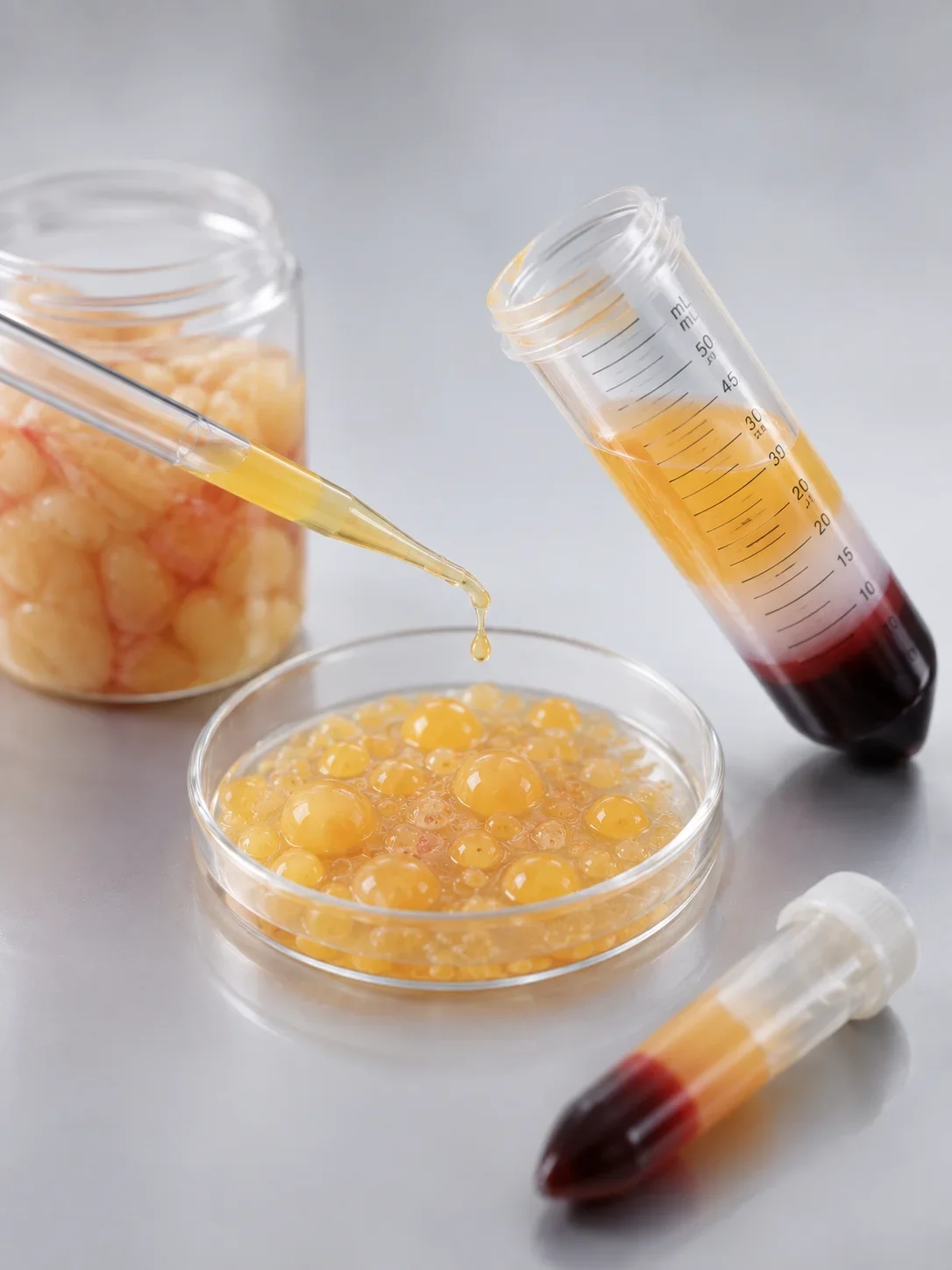
Autologous fat is harvested from areas such as your abdomen or thighs. Because the tissue most familiar to your own body is used, the risk of rejection tends to be low.

When the harvested fat is enzymatically processed and centrifuged, mature fat cells are reduced and the stromal vascular fraction (SVF), which has a high density of stem cells, remains. Isolation is carried out with hygiene and safety as priorities.
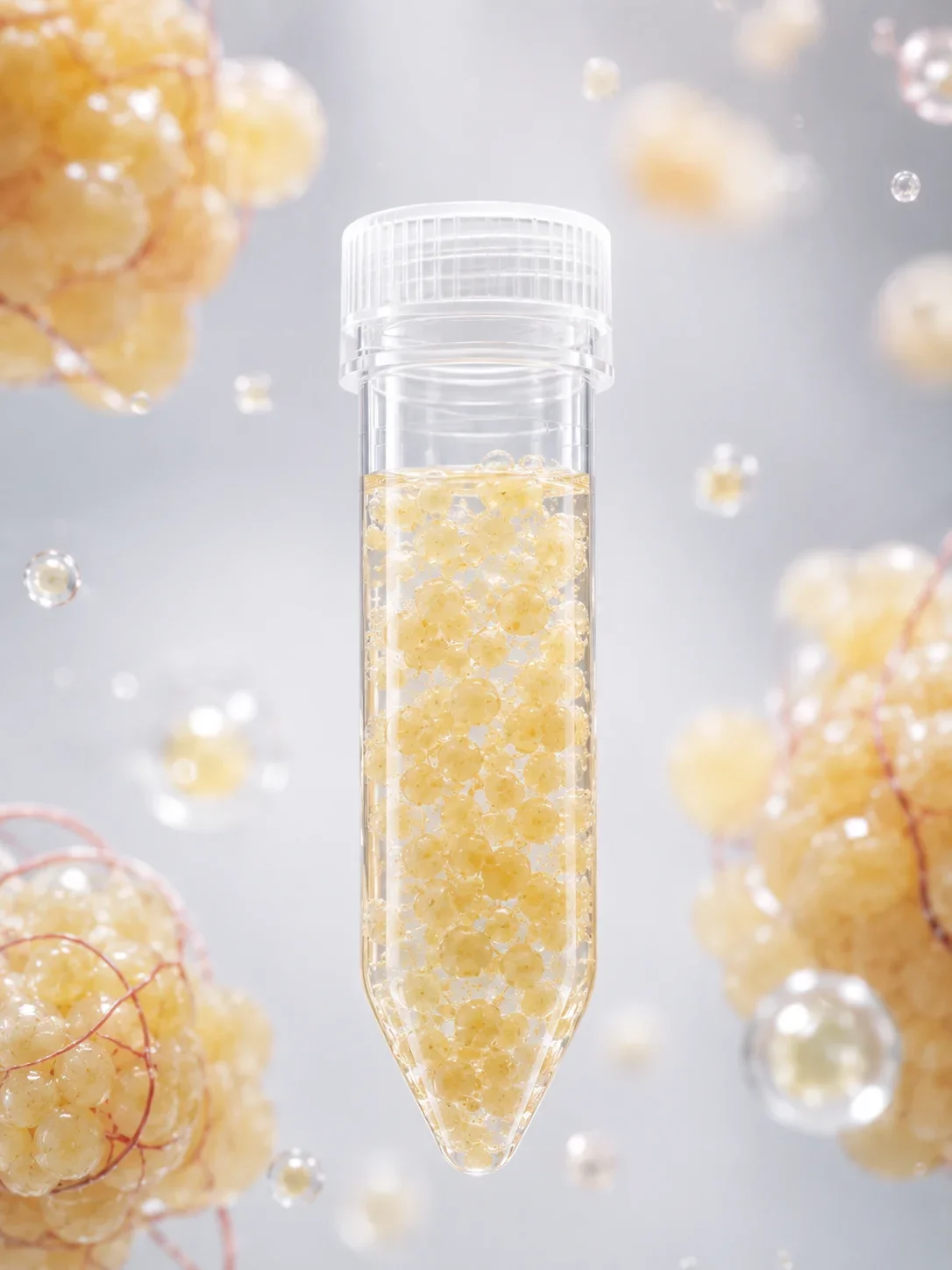
SVF is known to contain adipose-derived stem cells (ADSCs) together with endothelial cells, pericytes, and regeneration-related factors.

The isolated SVF is precisely injected into the target area together with autologous fat. By helping the grafted fat establish itself in a vascular environment, it allows volume restoration and tissue regeneration to be pursued together.
Column
This is general medical information intended to help you understand research findings on PRP and PRF skin treatments. The results of the studies cited do not guarantee individual outcomes, and whether to have treatment, the method, and the number of sessions depend on an examination and your health condition. Sources were checked on October 1, 2026. Generated images are for illustration only and are not actual patients, equipment, specimens, microscope photographs, or treatment results.
Learn More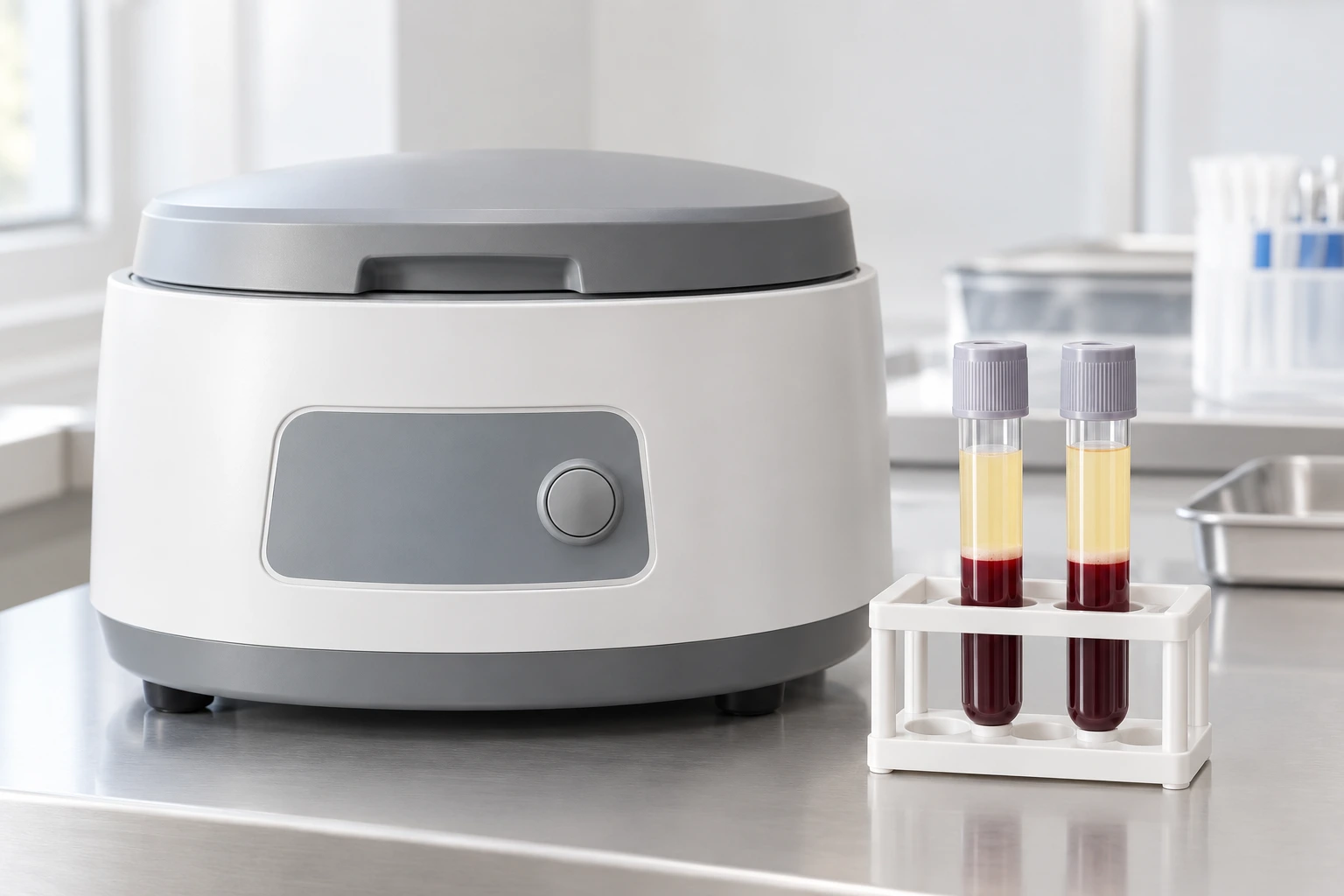
OUR PRINCIPLE

Anti-Inflammatory
Through the secretion of anti-inflammatory cytokines such as IL-10 and TGF-β,
it suppresses the expression of pro-inflammatory cytokines such as TNF-α, IL-1β, and IL-6
and modulates excessive immune responses, easing tissue damage and the progression of chronic inflammation.

Promoting Angiogenesis
Through the secretion of angiogenic factors, including VEGF,
it induces new blood vessel formation and improves microcirculation,
increasing the supply of oxygen and nutrients within the tissue and optimizing the recovery environment.

Nerve Regeneration Support
Through the secretion of neurotrophic factors such as BDNF and NGF,
it promotes the survival and differentiation of nerve cells and supports axon regeneration and synapse formation,
contributing to the recovery of damaged nerve function and the improvement of sensory and motor function.
PRP (platelet-rich plasma) is a growth factor concentrate extracted from blood and is used mainly for tissue regeneration and suppressing inflammation. SVF is a mixture of cells, including stem cells, extracted from adipose tissue; it has broader regenerative potential and a more complex extraction process. In some cases the two treatments are combined.

The complex of stromal cells that remains after pure fat cells (adipocytes) are excluded from adipose tissue.
It is rich in adipose-derived stem cells (ADSCs) with multilineage differentiation potential, strongly inducing direct tissue regeneration and blood vessel formation at sites of damaged tissue.
It is mainly mixed and injected together with fat grafts to maximize graft survival, or used for the treatment of refractory wounds, anti-aging skin regeneration, and the treatment of arthritis.

A plasma component obtained by centrifuging blood to concentrate platelets to at least 3-5 times the level in normal blood.
Platelets themselves cannot differentiate into other cells as stem cells do, but they carry a variety of growth factor proteins that promote healing. These components rapidly induce cell proliferation, collagen synthesis, and wound healing.
It is widely used to promote regeneration after skin laser or MTS (microneedling) treatments, to treat hair loss (activating hair follicle cells), and to aid recovery from orthopedic ligament and cartilage injuries.
NOTICE
PROCEDURE DATA
Treatment Overview
FOR WHOM
Consider a Consultation If
04 Recommended Cases

Doctor's Note
Adipose-derived SVF is a familiar approach in that it uses your own fat and the regenerative resources within it, but it is not a treatment that can promise every result. Fat graft retention varies from person to person. My principle is to speak candidly about limitations such as the variability of retention, along with the advantages of autologous tissue treatment, and to first determine whether it suits the condition of your tissue.
PROCEDURE FLOW
01
PHASE I
We assess your volume and regeneration goals and the condition of your fat and tissue to determine whether the treatment is suitable.
02
PHASE II
Autologous fat is harvested under local anesthesia or IV sedation.
03
PHASE III
SVF with a high density of stem cells is isolated through enzymatic processing and centrifugation.
04
PHASE IV
The SVF is precisely injected into the target area, and we guide you through the recovery and graft retention process.
FREQUENTLY ASKED
We have compiled the questions patients ask most often before a consultation.
6F #601, 599-4 Sinsa-dong, Gangnam-gu, Seoul
(No lunch break on weekends and public holidays) *Dr. Won-Suk Kook is not available on the 1st and 3rd Saturdays of each month.
Parking Information Parking is available in the building. 1 hour of free parking
Subway 5-minute walk from Exit 3 of Apgujeong Station on Line 3 (right next to the 14-story CGV building at Exit 3)