Procedure
Surgery Overview


service / Nose
We analyze the structural causes of a deviated nose and dorsal hump
and plan a rhinoplasty that considers both the bridge line and function.
Why Lisoom
A dorsal hump is a nose in which the middle of the dorsum protrudes, and in most cases it is caused by overgrowth of the nasal bone or cartilage.
A dorsal hump is thought of as common in men, but the many rhinoplasty cases at RESUM Plastic Surgery show that it is also quite common in Korean women.
The shape varies with the degree of the hump. The important point is that, whatever type of rhinoplasty is performed, the hump needs to be corrected first in order to aim for a feminine, beautiful nose.
When augmentation rhinoplasty is performed for a low nose, a small hump that even the patient was unaware of can make the dorsum bulge after surgery, so it is important to look for even a subtle hump and correct it during surgery.
The key to dorsal hump correction is to reduce the cartilaginous hump as well, which makes up about 70% of the hump, and to perform the necessary procedures at the same time, creating a smooth nasal bridge without recurrence.
Deviated Nose & Dorsal Hump Correction Before & After
Complications such as bleeding, infection and inflammation may occur depending on the individual, so caution is needed.
Results may vary by individual. Please confirm the method and expected results that suit you through a consultation.
No before & after photos match these criteria.
PROCEDURE DATA
Surgery Overview
Column
This is general medical information and does not replace an individual diagnosis or surgical plan. The tissue used, the extent of surgery, and the timing are decided after an examination, and there are possibilities of donor-site scarring, infection, asymmetry, contour irregularity, and revision surgery, as well as individual differences in recovery. The images are AI-generated illustrative artificial models and fictional people and do not represent actual human tissue, products, patients, or before-and-after surgical results. Sources checked: October 8, 2026.
Learn More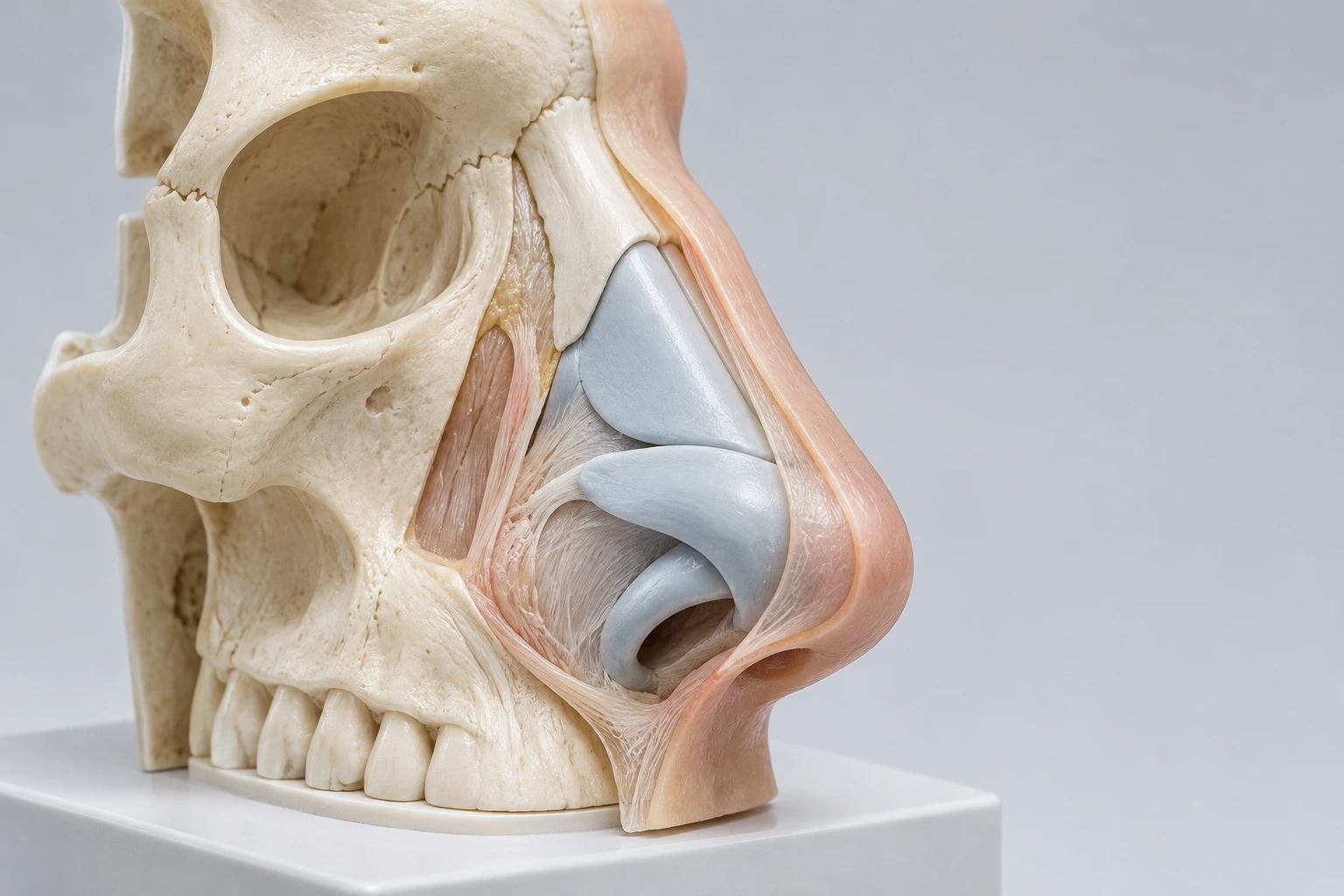
This is general medical information intended to help you understand spreader grafts and rhinoplasty. Whether to have surgery, the method, the extent, and the results depend on the structure of the nose, previous surgeries, and the condition of the skin and breathing, and this information does not replace an individual examination. Published papers and society guidance were consulted, and research findings do not guarantee an individual's surgical results. All images are AI-generated illustrative models and fictional people. Sources checked: September 30, 2026.
Learn More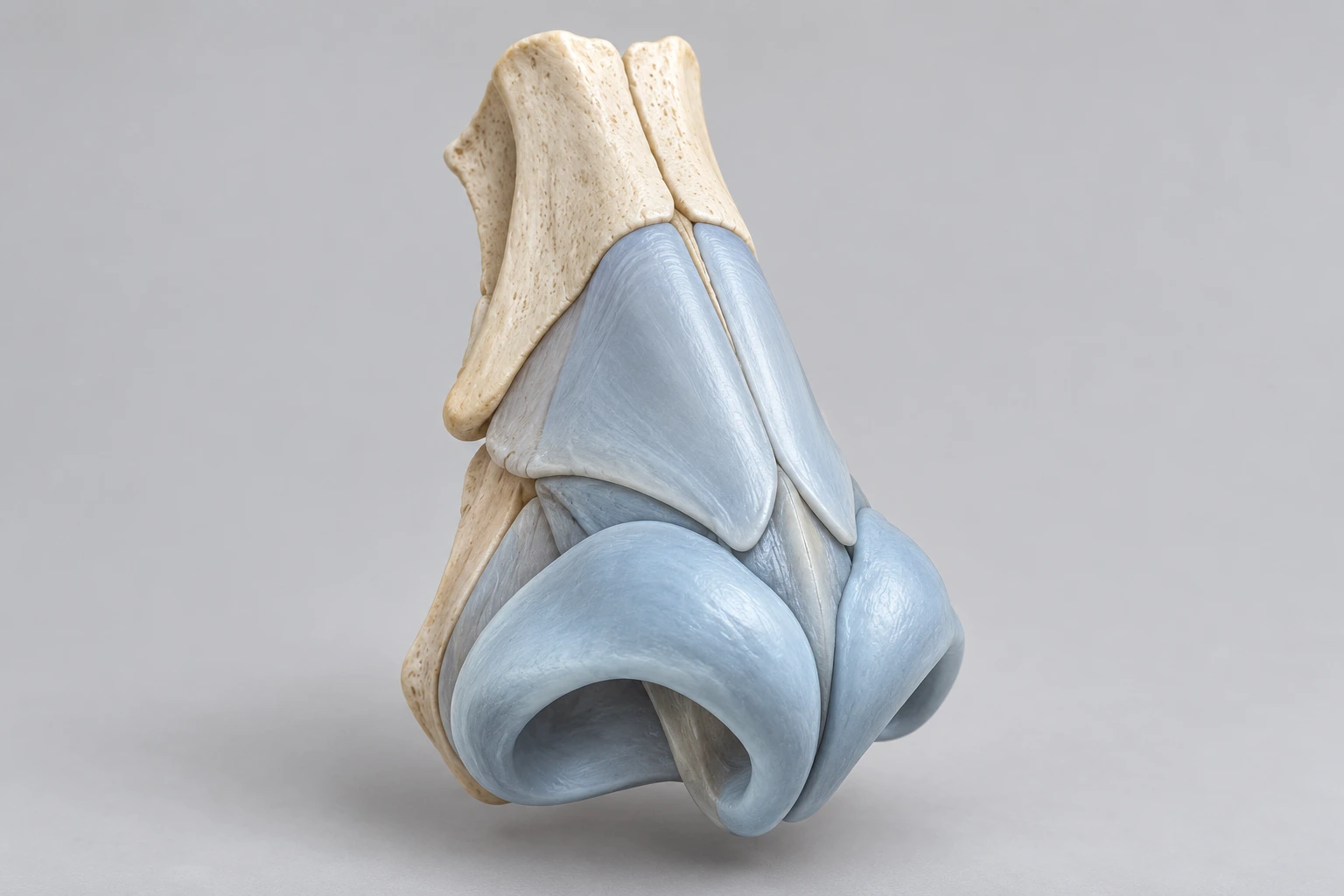
This is general medical information and does not replace an individual diagnosis or surgical plan. Suitability for surgery, the extent of removal, whether reconstruction is needed, recovery, and results should be judged after an examination. The implant and capsule models and the people shown in this article are AI-generated illustrative images and do not represent actual products, tissue specimens, patients, or clinical results. Sources checked: September 21, 2026.
Learn More
Sources checked: September 11, 2026. A [number] in the text refers to its order in the reference list.
Learn More
This article explains why the skin and soft tissue are prepared first in revision surgery for a contracted nose. The reconstruction plan may vary depending on skin condition and blood flow.
Learn More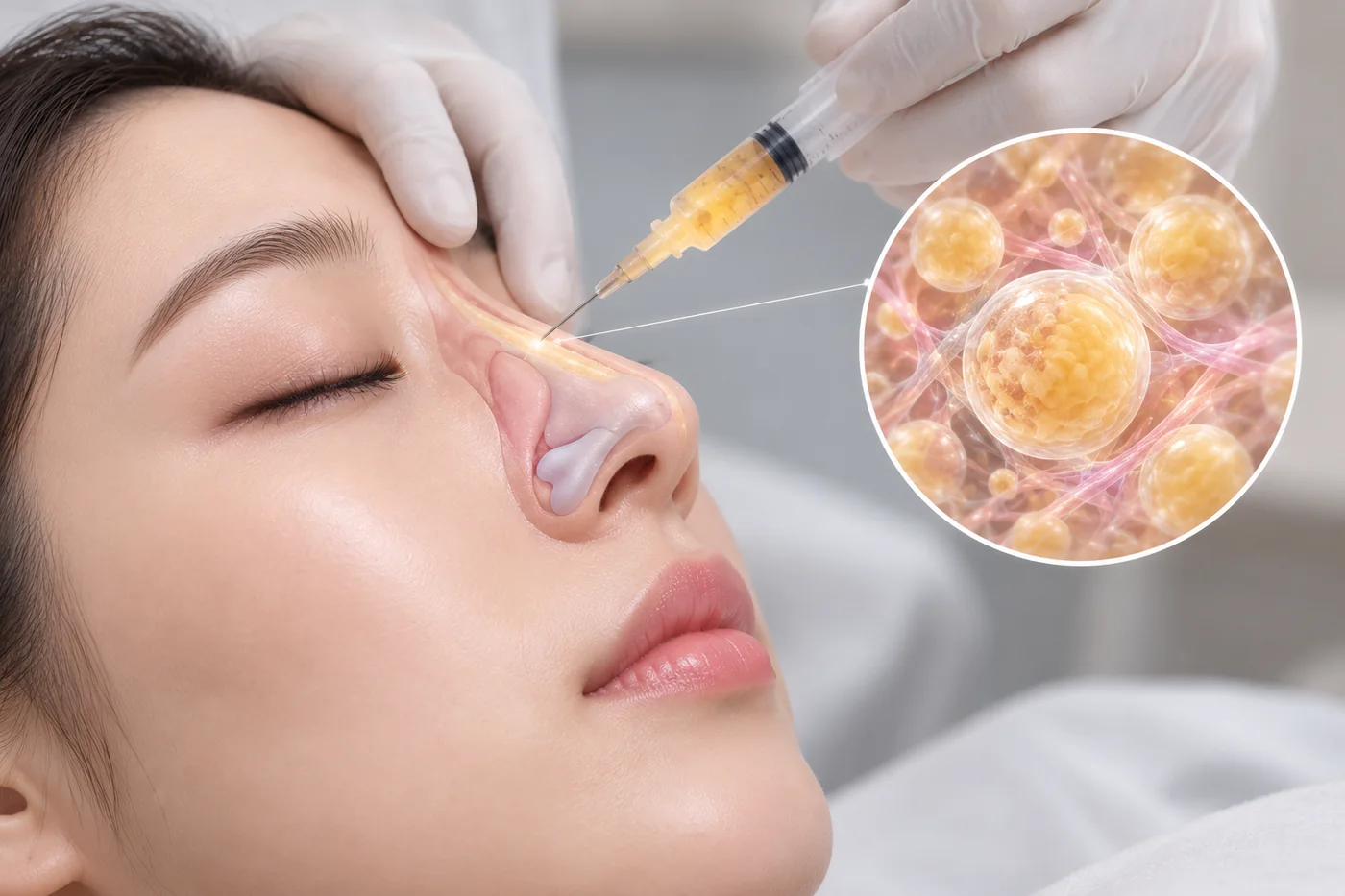
OUR PRINCIPLE
The key is meticulous correction that addresses the cartilaginous hump as well.

The cartilaginous part of the hump, which makes up about 70%, is reduced as well to lower recurrence.

Necessary procedures such as osteotomy, spreader grafts, and tip plasty are planned together.

Surgery uses your own tissue alone, without foreign material, reducing concern about side effects.

The extent of correction is adjusted to the degree of the hump.

The extent of correction is adjusted to the degree of the hump.

After the hump is completely removed, the roof of the dorsum is left open (an open roof), so lateral osteotomy and spreader grafts are performed together.

The cartilaginous part of the hump must be resected along with the nasal bone. Structurally, the upper 1/3 of the nose is bone, the middle 1/3 is the middle cartilage, and the lower 1/3 is the tip cartilage. A hump usually lies where the bone meets the middle cartilage, and cartilage makes up about 70% of it. If only the bony part is rasped, the cartilaginous part of the hump remains and the dorsum can actually look more prominent. Resecting the cartilaginous part of the hump in a thin, long strip, in addition to the bony part, helps reduce recurrence and supports the correction.

The necessary procedures must be performed together with hump correction. When the hump is 3.0mm or higher at its most prominent point, removing it completely leaves the roof of the dorsum open (an open roof), so the procedures that address this (lateral osteotomy, spreader grafts) must be performed as well. For a pronounced dorsal hump, these issues usually need to be resolved under general anesthesia while preserving the anatomical structure of the nose in order to expect a nose that is healthy both cosmetically and functionally, and it is important to have surgery with an experienced surgeon.

The hump on the dorsum is shaved down, and, together with tip plasty that shortens and slims the nasal tip, the dorsal bones are brought together by osteotomy, correcting the nose so that the bridge is smooth, well-defined, and soft in line.
Dorsal hump surgery is basically performed with your own tissue alone, without inserting foreign material, so concern about side effects caused by foreign material can be reduced.
Occasionally, patients have had surgery in which only the protruding part of the hump was rasped and then covered with silicone. This is a stopgap measure and the results are also unsatisfactory, so it is preferable to perform dorsal hump correction with autologous tissue alone.
Lisoom Channel
NOTICE

Doctor's Note
The key to dorsal hump correction is not simply rasping down the nasal bone, but also reducing the cartilaginous part of the hump, which makes up about 70%, and performing the necessary procedures at the same time to create a smooth nasal bridge without recurrence.
PROCEDURE FLOW
01
PHASE I
The thickness and location of the hump and whether a deviated nose is present are diagnosed precisely.
02
PHASE II
A bridge line in harmony with the face is planned to suit your condition.
03
PHASE III
The bony and cartilaginous hump are reduced together, with osteotomy and tip plasty performed at the same time.
04
PHASE IV
Swelling and recovery are managed systematically according to your progress.
FREQUENTLY ASKED
We have compiled the questions patients ask most often before a consultation.
 Rhinoplasty 2026.09.30
Spreader Grafts in Dorsal Hump Surgery: Supporting with Cartilage After Lowering the Dorsum
This is general medical information intended to help you understand spreader grafts and rhinoplasty. Whether to have surgery, the method, the extent, and the results depend on the structure of the nose, previous surgeries, and the condition of the skin and breathing…
Rhinoplasty 2026.09.30
Spreader Grafts in Dorsal Hump Surgery: Supporting with Cartilage After Lowering the Dorsum
This is general medical information intended to help you understand spreader grafts and rhinoplasty. Whether to have surgery, the method, the extent, and the results depend on the structure of the nose, previous surgeries, and the condition of the skin and breathing…
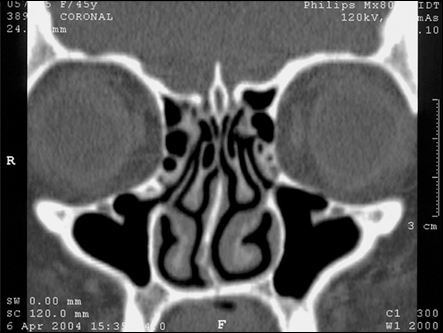 Rhinoplasty 2026.04.15
A Deviated Septum and a Deviated Nose: Why Should They Be Assessed Together?
A deviated nose and a deviated septum should be addressed at the same time. What is a deviated septum? Viewed from the outside, the nose has a bridge that forms its central axis, and on both sides of the bridge…
Rhinoplasty 2026.04.15
A Deviated Septum and a Deviated Nose: Why Should They Be Assessed Together?
A deviated nose and a deviated septum should be addressed at the same time. What is a deviated septum? Viewed from the outside, the nose has a bridge that forms its central axis, and on both sides of the bridge…
 Rhinoplasty 2026.03.11
Dorsal Hump: Why Shaving It Down Alone Is Not Enough
One thing I have noticed over many rhinoplasty surgeries is that dorsal humps are surprisingly common among Korean women. Of course, the degree of the hump…
Rhinoplasty 2026.03.11
Dorsal Hump: Why Shaving It Down Alone Is Not Enough
One thing I have noticed over many rhinoplasty surgeries is that dorsal humps are surprisingly common among Korean women. Of course, the degree of the hump…
 Rhinoplasty 2026.03.07
A Deviated Nose: Why the Septum Should Be Assessed Too
In Korea, rhinoplasty generally seems to bring augmentation rhinoplasty to mind first. Recently, however, not only augmentation rhinoplasty using silicone or Gore-Tex…
Rhinoplasty 2026.03.07
A Deviated Nose: Why the Septum Should Be Assessed Too
In Korea, rhinoplasty generally seems to bring augmentation rhinoplasty to mind first. Recently, however, not only augmentation rhinoplasty using silicone or Gore-Tex…
6F #601, 599-4 Sinsa-dong, Gangnam-gu, Seoul
(No lunch break on weekends and public holidays) *Dr. Won-Suk Kook is not available on the 1st and 3rd Saturdays of each month.
Parking Information Parking is available in the building. 1 hour of free parking
Subway 5-minute walk from Exit 3 of Apgujeong Station on Line 3 (right next to the 14-story CGV building at Exit 3)