Ptosis Correction in Gangnam, Seoul | RESUM Plastic Surgery
Skip to main content

service / Eye

Ptosis Correction

Ptosis Correction (Blepharoptosis)

PTOSIS CORRECTION

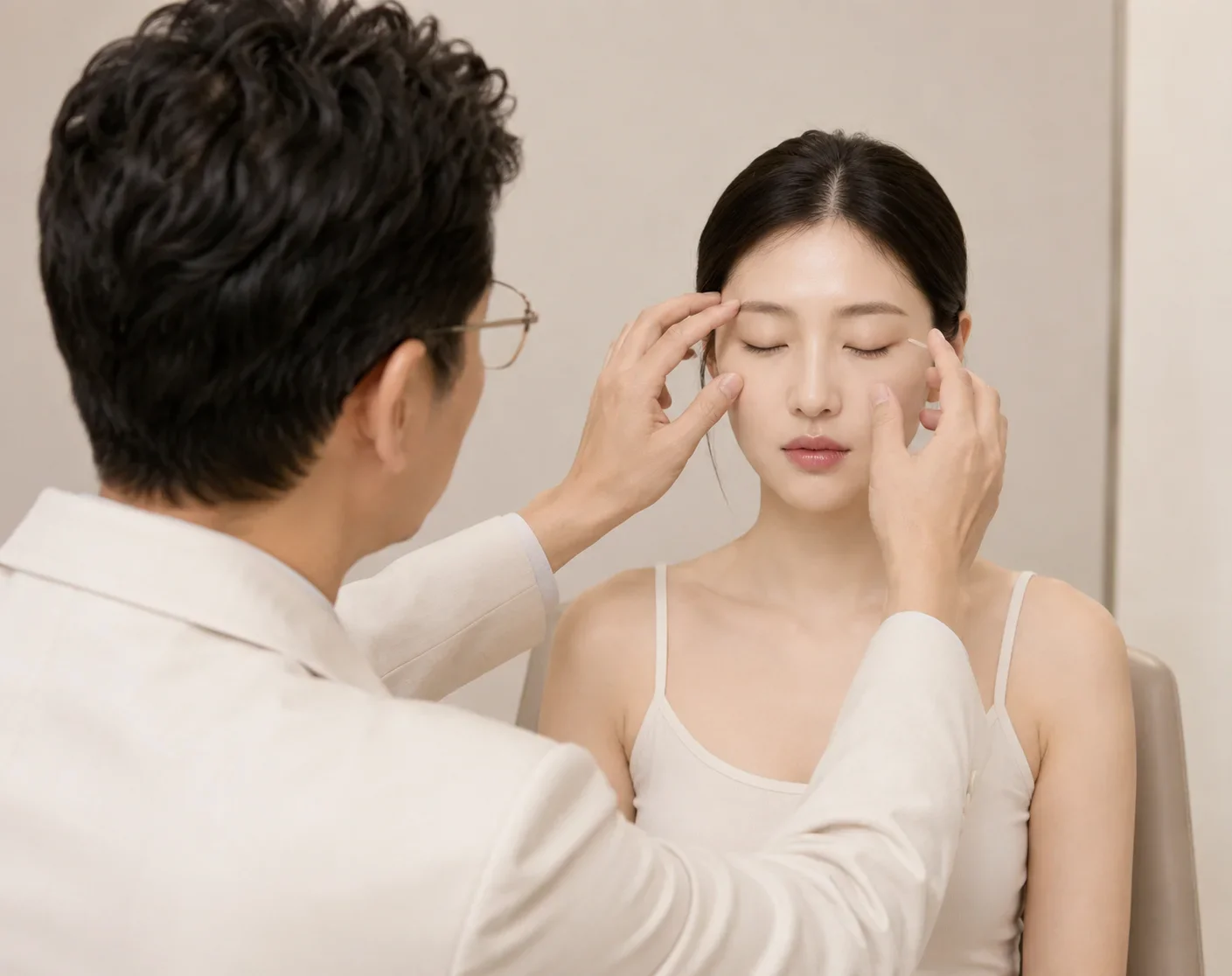
We diagnose the cause of sleepy-looking eyes and ptosis
and plan ptosis correction for well-defined, natural-looking eyes.

Method
1½-2 hours
Anesthesia
Local anesthesia / IV sedation
Recovery
10-14 days · Same-day discharge · Suture removal after 5-7 days
Summary Ptosis correction corrects blepharoptosis, in which the levator muscle is weak, to create well-defined eyes, and it is often performed together with double eyelid surgery. At RESUM Plastic Surgery in Gangnam (Apgujeong), Seoul, the surgery is planned after evaluating muscle function, and patients also visit from nearby areas such as Banpo. Medical Review Medical Review: Won-Suk Kook,Jin-Young Kim
Last updated: 2026-06-26

Why Lisoom

Overview The Key to Ptosis Correction
Is Accurately Diagnosing
Levator Muscle Function

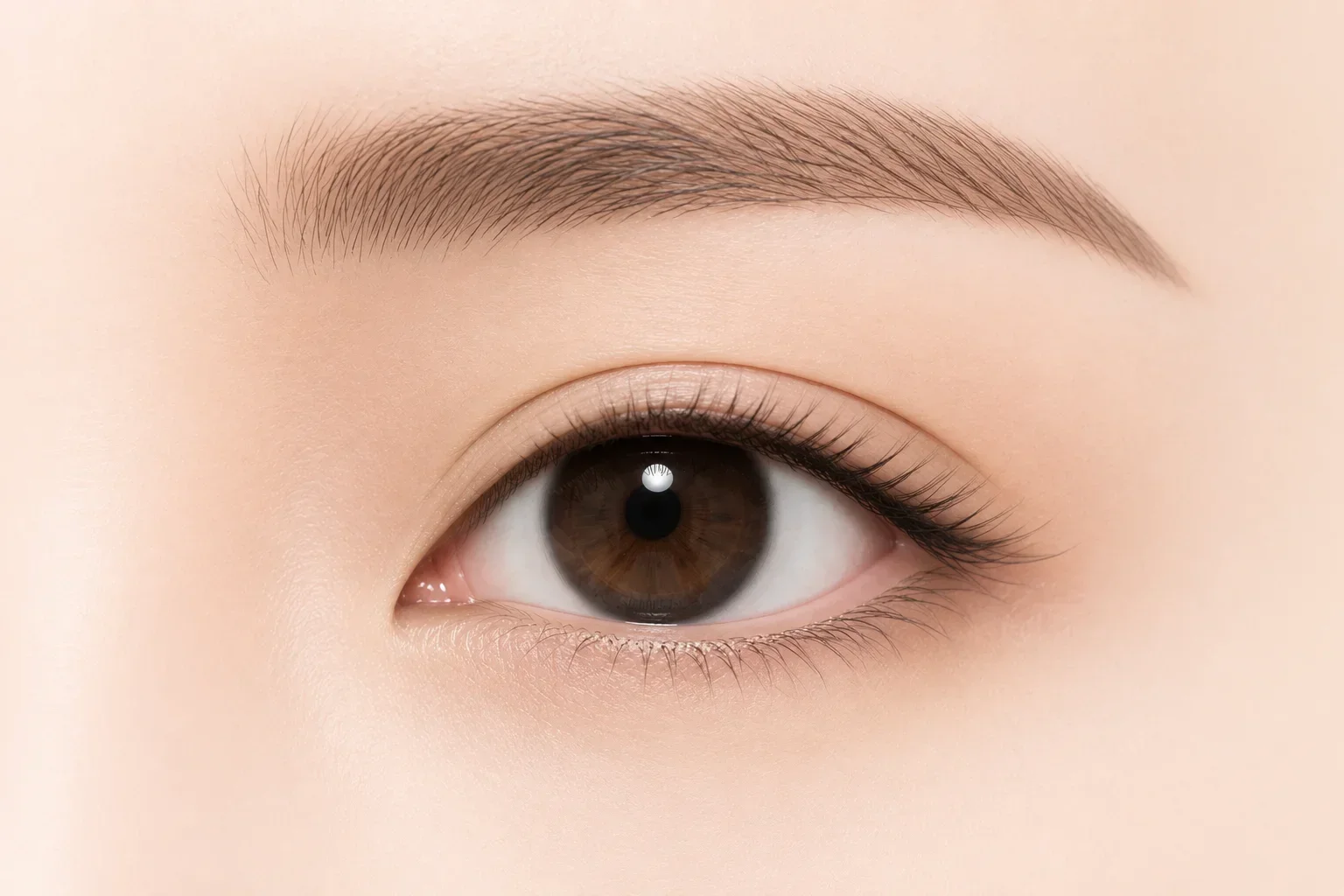
Ptosis is a condition in which the levator muscle, which opens the eye, is weak, so the eyes cannot open wide.
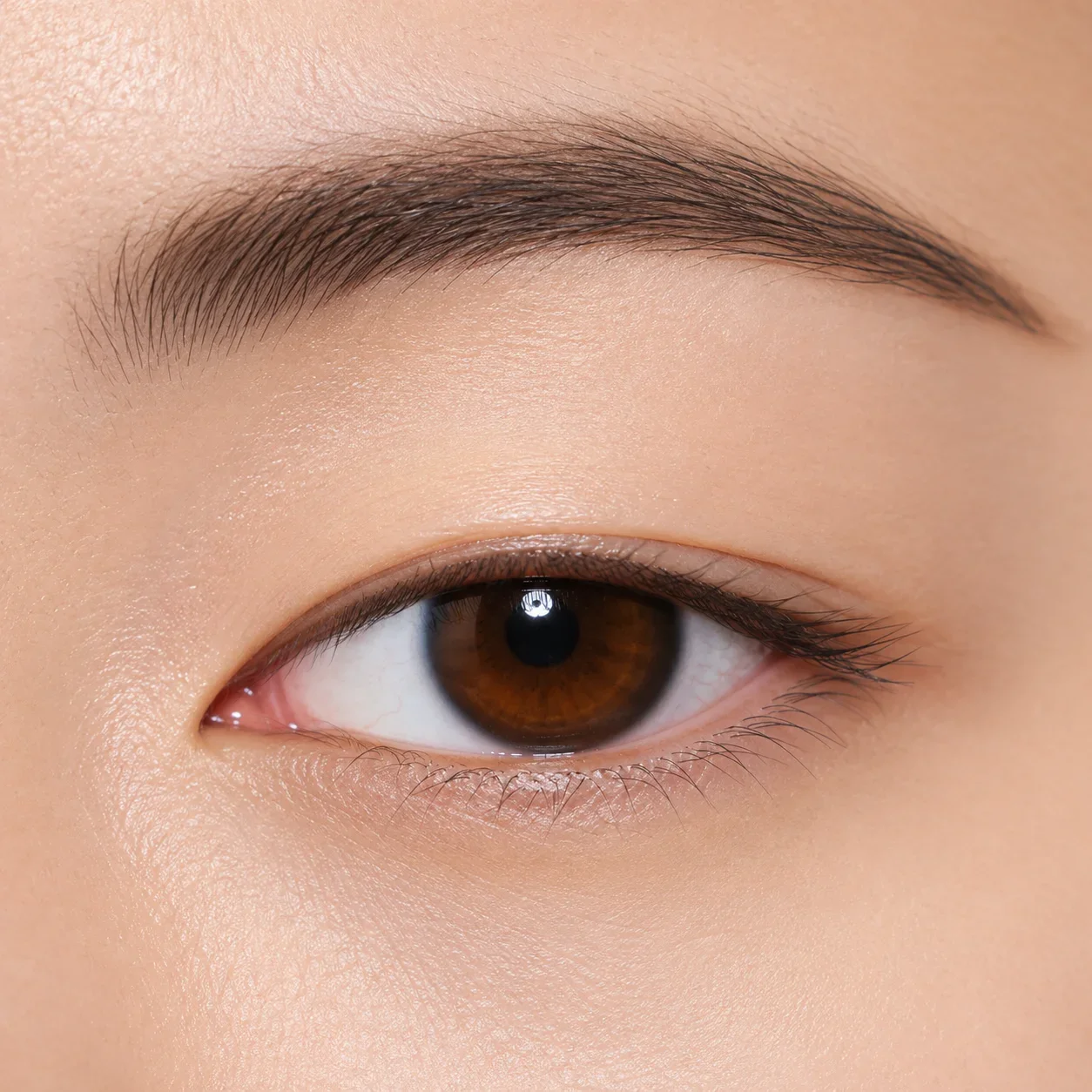
Even when you try to open your eyes, the eyelid does not lift fully and covers the iris, giving a weak, sleepy impression. When opening the eyes, the forehead is raised unconsciously, so wrinkles form easily on the forehead.

For such eyes, ptosis correction is performed using various methods depending on the degree of ptosis, which fall broadly into non-incisional and incisional methods. Ptosis surgery is highly demanding and requires extensive experience and refined technique. At RESUM Plastic Surgery, we strive to correct even challenging cases of ptosis precisely, drawing on our extensive experience and technical skill.

The key to ptosis correction lies in accurately diagnosing the function of the levator muscle
and choosing the method suited to the degree of ptosis.

Before & After

Ptosis Correction Before & After

Subcategory
Time Since Procedure

Complications such as bleeding, infection and inflammation may occur depending on the individual, so caution is needed.
Results may vary by individual. Please confirm the method and expected results that suit you through a consultation.

DESIGN PRINCIPLE

Methods
Surgical Method

Non-Incisional Correction SUTURE guide image

SutureNon-Incisional Correction

Ptosis correction is either non-incisional or incisional, depending on the degree of ptosis.
The non-incisional method is applied when the ptosis is mild, within 3mm.

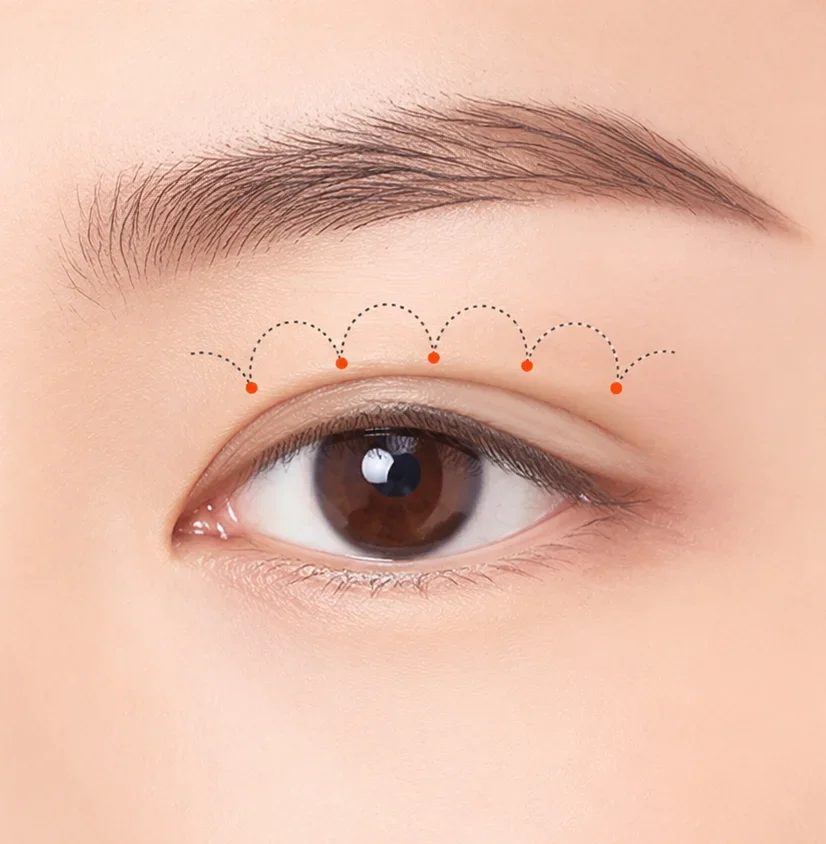
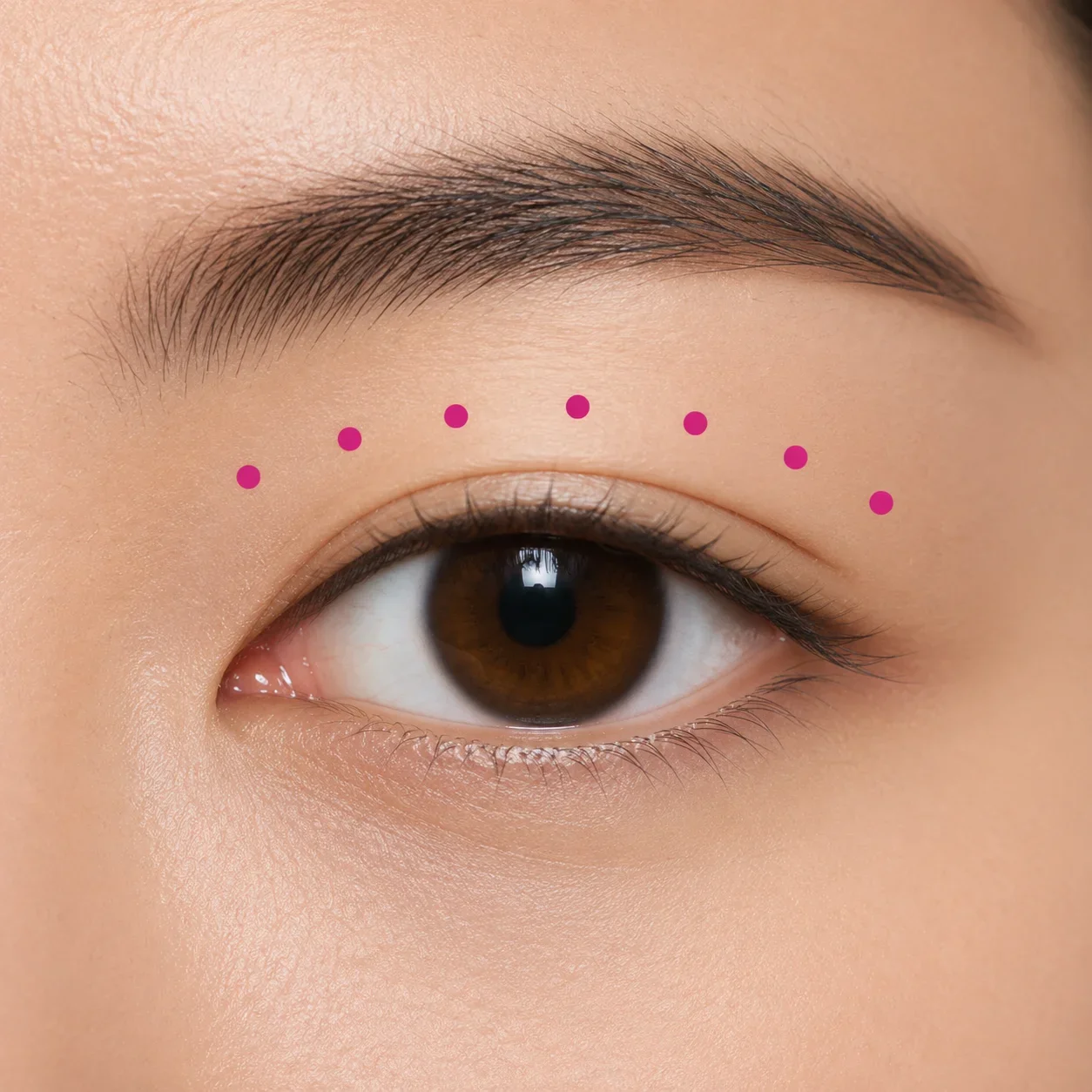
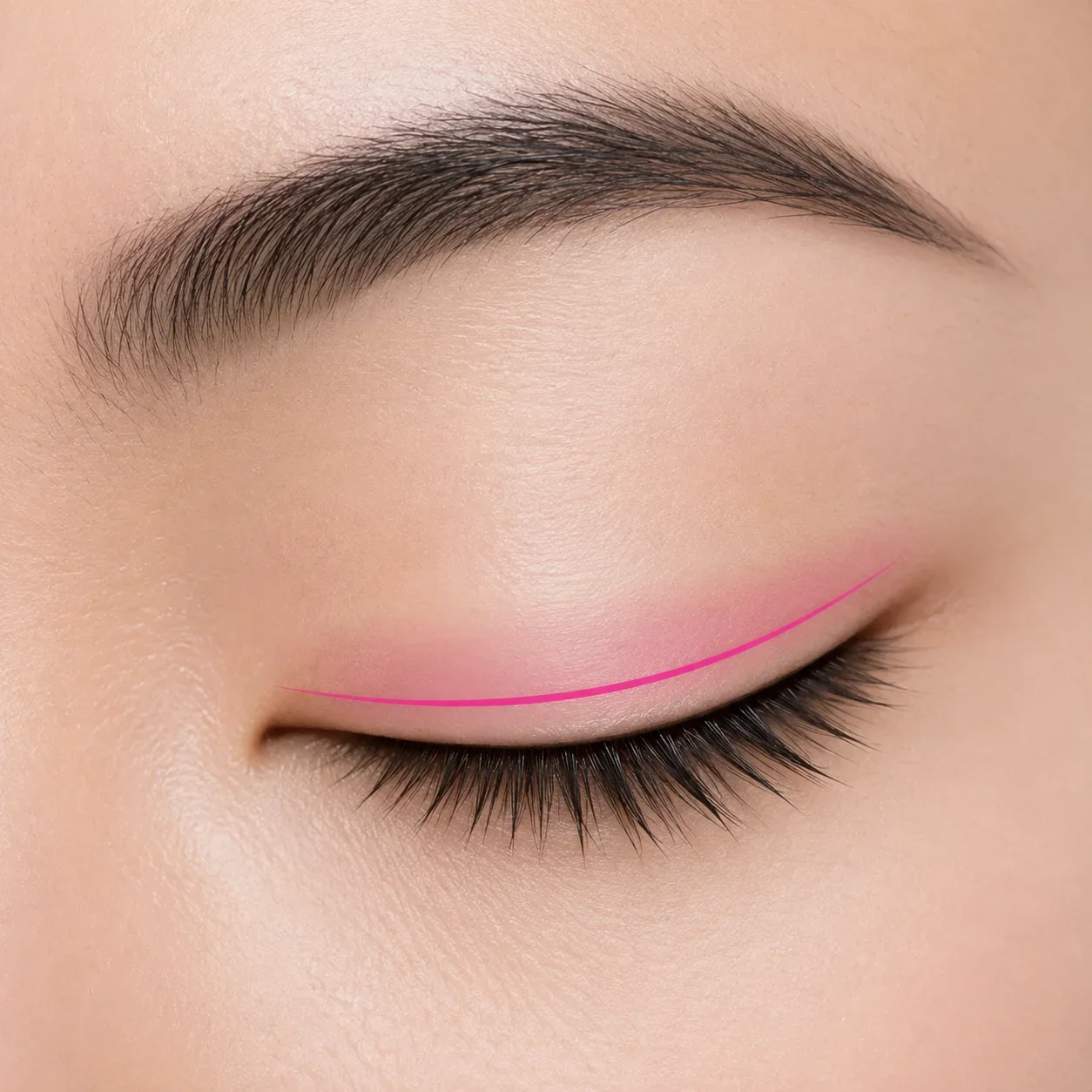
Without an incision, tiny openings are made in the eyelid and the tension of the levator muscle is adjusted appropriately to correct the symptoms of ptosis and create open, well-defined eyes. A surgical method suited to your eyes is decided through a 1:1 consultation; the crease design suited to your eyes is decided; tiny openings are made at the appropriate height; the tension of the levator muscle is adjusted appropriately; and larger, clearer eyes are completed.

Non-Incisional Ptosis Within 3mm Micro-Opening Adjustment
Incisional Correction HYBRID guide image

HybridIncisional Correction

The incisional method is applied when the ptosis is 3mm or more, or when several issues are to be corrected together.
Recently, the methods above are also supplemented and modified to perform a variety of surgeries.

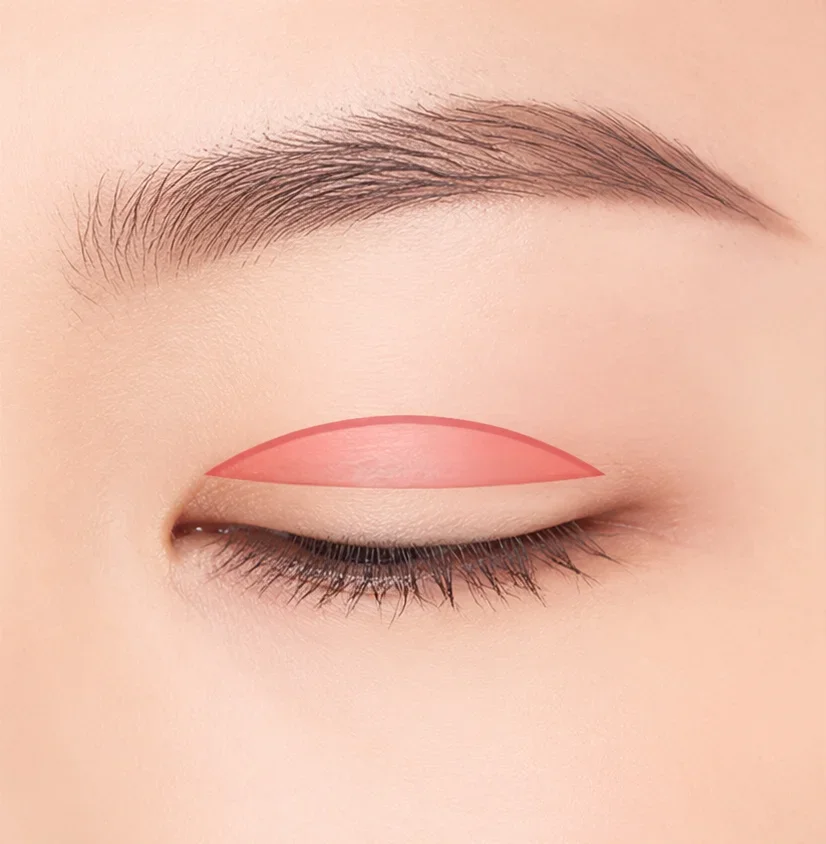
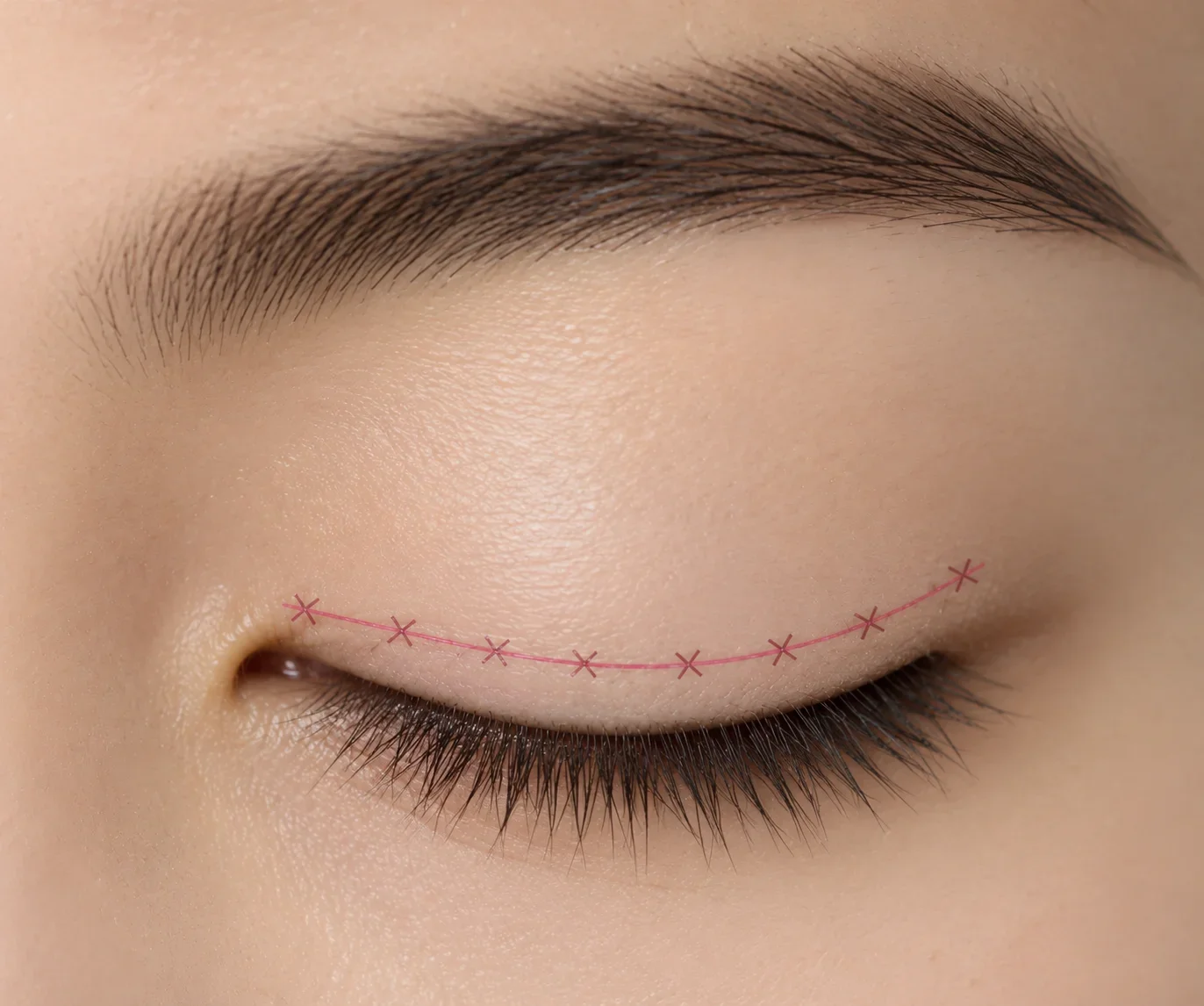
The skin tissue is incised, and the orbicularis oculi muscle and tarsal plate are corrected to strengthen the levator muscle, correcting ptosis and creating open, well-defined eyes. A surgical method suited to your eyes is decided through a 1:1 consultation; the planned crease is designed and an incision is made along it; the levator muscle is dissected; the shape of the eye is checked and the incision is sutured; and clear, open eyes are completed.

Incisional Correction Ptosis of 3mm or More Muscle Strengthening

Column

Column
Doctor's Column

This is general medical information and does not replace an individual diagnosis or surgical plan. The surgical method, timing, and expected changes are determined through an in-person examination, and there are risks such as scarring, asymmetry, recurrence, and changes in eyelid position, as well as individual differences in recovery. The images in this article are AI-generated educational models, equipment, and fictional people; they do not represent actual patients, before-and-after treatment results, or equipment actually owned by RESUM. Sources checked: October 7, 2026.

Learn More
A Rounded Outer Corner After Lateral Canthoplasty: Looking at Scarring and Support Structures Separately

This is general medical information and does not replace an individual diagnosis or surgical plan. Suitability for surgery, methods, recovery, and results vary from person to person. The images in this article are AI-generated illustrative models, fictional people, and examination scenes; they are not actual patients, surgical results, or RESUM's actual equipment or clinical scenes. Sources checked: September 28, 2026.

Learn More
Why We Check for Dryness and Eyelid Support Before Under-Eye Surgery

This article is general medical information. Whether surgery is needed and which method is appropriate for each person are determined after an in-person examination.

Learn More
Double Eyelid Scars Visible When the Eyes Are Closed: Before Excising Again

OUR PRINCIPLE

Core Values
Ptosis Correction: What Sets RESUM Plastic Surgery Apart

For ptosis, accurate diagnosis and surgery tailored to its severity are important.

Point 01

Point 01

Accurate Diagnosis of the Cause

We precisely diagnose levator muscle function and the degree of ptosis to identify the cause.

Point 02

Point 02

Surgery Tailored to Severity

Depending on whether the ptosis is mild, moderate, or severe,
we select a tailored non-incisional or incisional method.

Point 03

Point 03

Combined Double Eyelid Diagnosis

Before double eyelid surgery, we also check whether ptosis is present
to prevent unwelcome outcomes.

POINT 05 Types

Causes and Classification of Ptosis

Ptosis may be congenital or acquired. Congenital ptosis is present from birth because of underdevelopment of the muscle or a nerve disorder,
while acquired ptosis appears when the levator muscle is injured in a traffic accident or other trauma, or as a result of aging.
Depending on its degree, ptosis can be classified as severe, moderate, or mild. The more severe the ptosis, the earlier surgery is advisable.

Blepharoptosis (Ptosis)

Blepharoptosis (Ptosis)

If left untreated, symptoms such as asymmetric eyes, astigmatism, reduced vision,
and persistent headaches may develop.

Normal Eyelid

Normal Eyelid

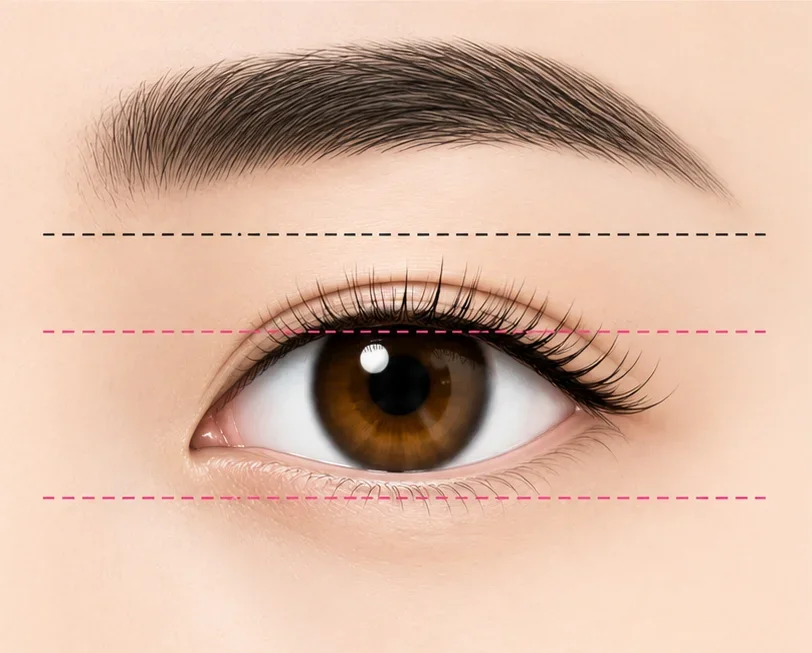
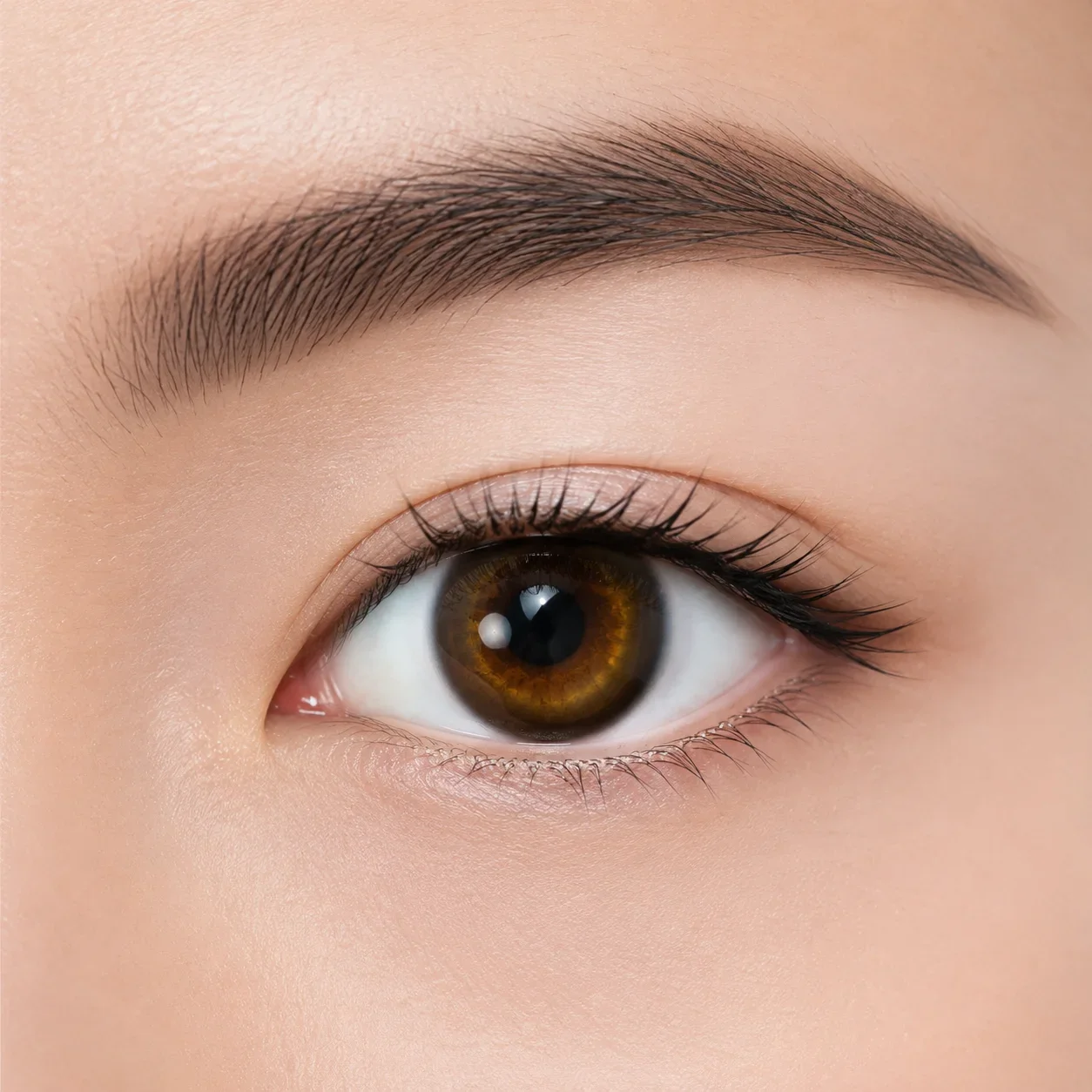
In a normal eyelid, 80-90% of the iris is exposed.

POINT 04 Comparison

Incisional vs. Non-Incisional Ptosis Correction

Incisional Correction

Surgical Method

A surgical technique that corrects the eyes through an incision line made in the skin. It is suited to eyelids with a lot of fat, severe sagging, or thick skin.

Candidates

Suitable for all ptosis cases

Scar

A slight scar may remain at the incision site

Recovery Period

About 10-14 days

Non-Incisional Correction

Surgical Method

A surgical technique in which, without a skin incision, tiny openings are made and the tension of the levator muscle is adjusted to correct the eyes naturally. Swelling and scarring tend to be limited.

Candidates

Applied selectively depending on eyelid thickness and degree of sagging

Scar

Scarring tends to be limited because surgery is performed through tiny openings

Recovery Period

About 5-7 days

POINT 06 Non-incision

Non-Incisional Ptosis Correction: Surgical Method

Applied when ptosis is mild, within 3mm; without an incision, tiny openings are made in the eyelid to adjust the tension of the levator muscle.

Consultation & Diagnosis

Consultation & Diagnosis

A surgical method suited to your eyes is decided through a 1:1 consultation.

Crease Design

Crease Design

The crease design suited to your eyes is decided.

Creating Micro-Openings

Creating Micro-Openings

Tiny openings are made at the appropriate height.

Adjusting Muscle Tension

Adjusting Muscle Tension

The tension of the levator muscle is adjusted appropriately.

Finished Eye Shape

Finished Eye Shape

Larger, clearer eyes are completed.

POINT 03 Types

Types of Incisional Ptosis Correction

Levator Plication

Levator Plication

This method is used when ptosis is mild. Mild ptosis refers to cases in which, with the eyes open and looking straight ahead, up to about 2-3 mm of the iris is covered.

Levator Resection

Levator Resection

This technique is used for moderate ptosis. Moderate ptosis refers to a state in which about half of the iris (4-6mm) is covered when looking straight ahead. This technique takes somewhat longer and is more complex, so it calls for more experience and skill on the surgeon's part.

Frontalis Suspension

Frontalis Suspension

Frontalis suspension is performed in severe cases, that is, when ptosis is 6 mm or more, and requires a fascia or ligament graft. In general, because the ptosis is pronounced, patients undergo this surgery in childhood.

POINT 07 Incision

Incisional Ptosis Correction: Surgical Method

Applied when ptosis is 3mm or more, or when several issues are corrected together; the skin tissue is incised and the orbicularis oculi muscle and tarsal plate are corrected to strengthen the levator muscle.

Consultation & Diagnosis

Consultation & Diagnosis

A surgical method suited to your eyes is decided through a 1:1 consultation.

Design & Incision

Design & Incision

The planned crease is designed, and an incision is made along it.

Skin Closure

Skin Closure

The shape of the eye is checked and the incision is sutured.

Finished Eye Shape

Finished Eye Shape

Clear, open eyes are completed.

Lisoom Channel

YouTube

View More Videos

NOTICE

Precautions
Post-Operative Treatment & Care

N · 01 It is important to keep the surgical site clean. Do not rub it with unclean hands; disinfect it about once a day and then apply antibiotic ointment. It is best not to wear makeup for 1 week after surgery.
N · 02 After surgery, it is best to avoid lowering your head or lying face down as much as possible, and to avoid lifting heavy objects or straining. Keep your head elevated on a higher pillow when sleeping.
N · 03 Apply cold compresses with the cool pack provided by the clinic, for 2 hours a day for 3 days.
N · 04 Reading and watching TV are best resumed after 1-2 days, and antibiotics, anti-inflammatory medication, and pain relievers are taken for about 3-5 days.
N · 05 With the incisional method, sutures are removed after 3-5 days. With the non-incisional (buried suture) method, no sutures are removed, and you can wash your face and wear makeup from the 3rd day after surgery.
N · 06 You can wear makeup and wash your face once the sutures have been removed. Until then, cleanse your face with a damp towel.
N · 07 Swelling after surgery varies from person to person. In most cases about 60% of the swelling subsides within about 7 days, but it takes 1-3 months for the results to settle completely. Contact lenses are best worn from 2 weeks after surgery, and exercise and alcohol are best resumed after at least 3 weeks.
N · 08 From 2 weeks before surgery, stop smoking and stop taking aspirin, vitamin E, oral contraceptives, and similar medications, and check that your surgery date does not coincide with the start of your menstrual period.
N · 09 It is helpful to bring glasses, a scarf, a hat, or similar items to wear on your way home on the day of surgery.
N · 10 Please let us know in advance about any underlying conditions such as high blood pressure, diabetes, or thyroid disease, as well as any allergies.
N · 11 Recovery varies from person to person, and it may take time for the results to settle.
N · 12 If you experience any abnormal symptoms (such as excessive swelling, bleeding, or pain), please visit the clinic immediately.
N · 13 Please be sure to consult a board-certified specialist before and after surgery.

PROCEDURE DATA

Summary
Surgery Overview

Procedure

Non-Incisional Correction

Surgery time
About 30 minutes
Anesthesia
Local anesthesia / IV sedation
Recovery
5-7 days
Hospital stay
Same-day discharge
Suture removal
After 5-7 days

Procedure

Incisional Correction

Surgery time
About 1 hour
Anesthesia
Local anesthesia / IV sedation
Recovery
10-14 days
Hospital stay
Same-day discharge
Suture removal
After 5-7 days

Recommended For

Candidates

Consider a Consultation If

03 Recommended Cases

01 When 1/3 or more of the upper part of the iris is covered with the eyes open in a relaxed state
02 When you rely on the forehead or eyebrows to open your eyes, causing forehead wrinkles or frequent eyebrow movement
03 Eyes that always look tired or sleepy even when you try to open them wide
Won-Suk Kook · M.D. - RESUM Plastic Surgery Clinic

Doctor's Note

The key to ptosis correction is not simply creating a double eyelid,
but accurately diagnosing the function of the levator muscle
and choosing the method suited to the degree of ptosis.

Precise diagnosis leads to natural, well-defined eyes.

Won-Suk Kook · M.D.

Dr. Won-Suk Kook, Chief Director

PROCEDURE FLOW

Process
How Ptosis Correction Is Performed

01

PHASE I

Consultation & Diagnosis

We precisely diagnose levator muscle function and the degree of ptosis.

CONSULT

02

PHASE II

Design

We custom-design a crease that suits your eyes and face.

DESIGN

03

PHASE III

Surgery

Correction is performed with the non-incisional or incisional method, depending on the degree of ptosis.

PROCEDURE

04

PHASE IV

Recovery & Care

Sutures are removed according to your progress, and swelling and recovery are managed systematically.

CARE

FREQUENTLY ASKED

FAQ
Frequently Asked Questions

We have compiled the questions patients ask most often before a consultation.

It is a condition in which the levator muscle, which opens the eye, is weak, so the eyes cannot open wide enough and look sleepy or heavy.
If ptosis is present and only double eyelid surgery is performed, the ptosis can become more noticeable after surgery, so it is important to check beforehand whether ptosis is also present.
If the ptosis is mild, within 3mm, the non-incisional approach is considered; if it is 3mm or more, or several areas need to be corrected together, the incisional approach is considered.
There are levator plication, levator resection, and frontalis suspension, chosen according to the degree of ptosis.
When performed by an experienced specialist, complications are rare and mostly mild; however, overcorrection, undercorrection, asymmetry, or dryness may occur, so a thorough consultation is necessary.
About 10-14 days for incisional correction and about 5-7 days for non-incisional correction, with individual variation.

RESUM Plastic Surgery Clinic Location

#601, 6F, 842 Nonhyeon-ro, Gangnam-gu, Seoul

6F #601, 599-4 Sinsa-dong, Gangnam-gu, Seoul

HOURS

Weekdays
10:00 ~ 20:00
Saturday
10:00 ~ 17:00
Lunch Break
1:00 PM - 2:00 PM

(No lunch break on weekends and public holidays) *Dr. Won-Suk Kook is not available on the 1st and 3rd Saturdays of each month.

Parking Information Parking is available in the building. 1 hour of free parking

Subway 5-minute walk from Exit 3 of Apgujeong Station on Line 3 (right next to the 14-story CGV building at Exit 3)

RESUM Plastic Surgery Clinic CEO Won-Suk Kook Business No. 733-11-02929 Phone 02-3445-7770