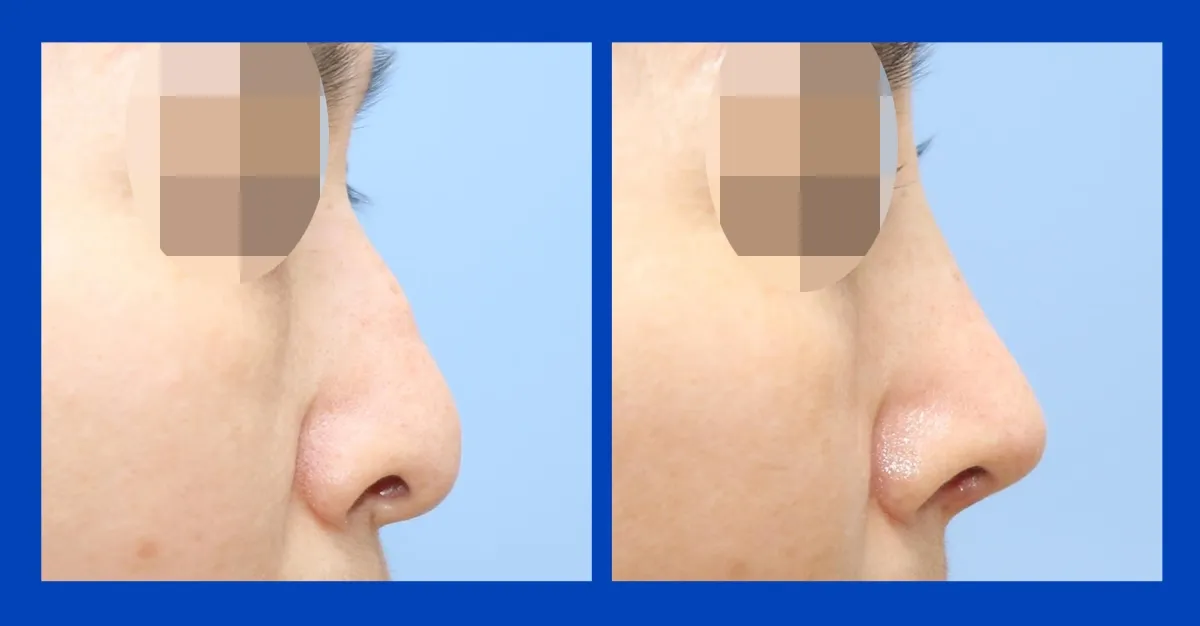
Revision Rhinoplasty Cases by Type 7 (Problems with Silicone Shape and Position and Tip Shape)
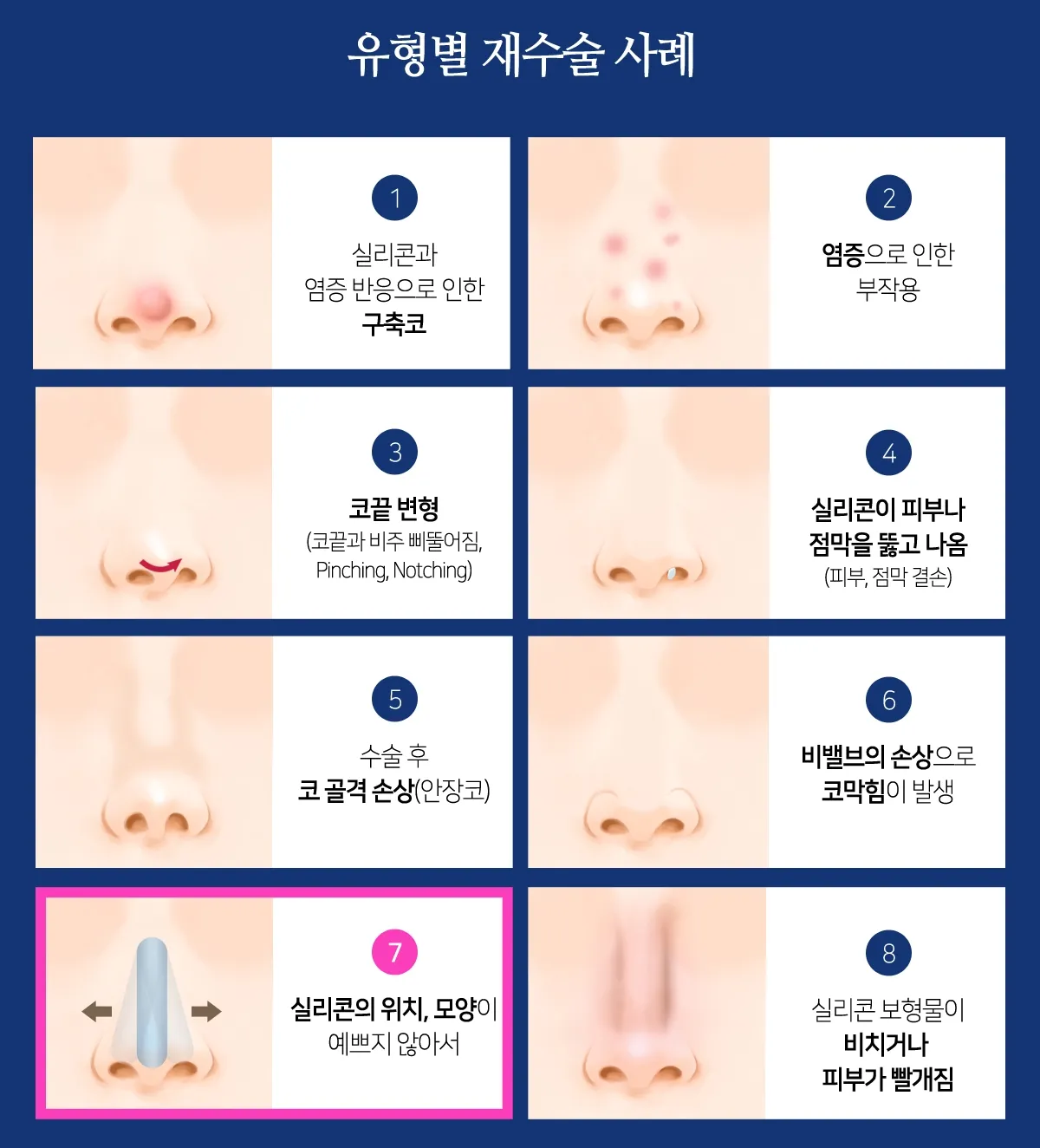
Revision rhinoplasty refers to corrective surgery performed when, after one or more nasal surgeries,
aesthetic or functional side effects have developed.
The deformities that result from problems after rhinoplasty are so varied
that it is difficult to show every case one by one.
The reason is that the nose is a three-dimensional structure and a complex organ in which various tissues are organically connected.
We will therefore focus on representative cases and explain how, after revision surgery, side effects can be kept from recurring
and a good result can be achieved.
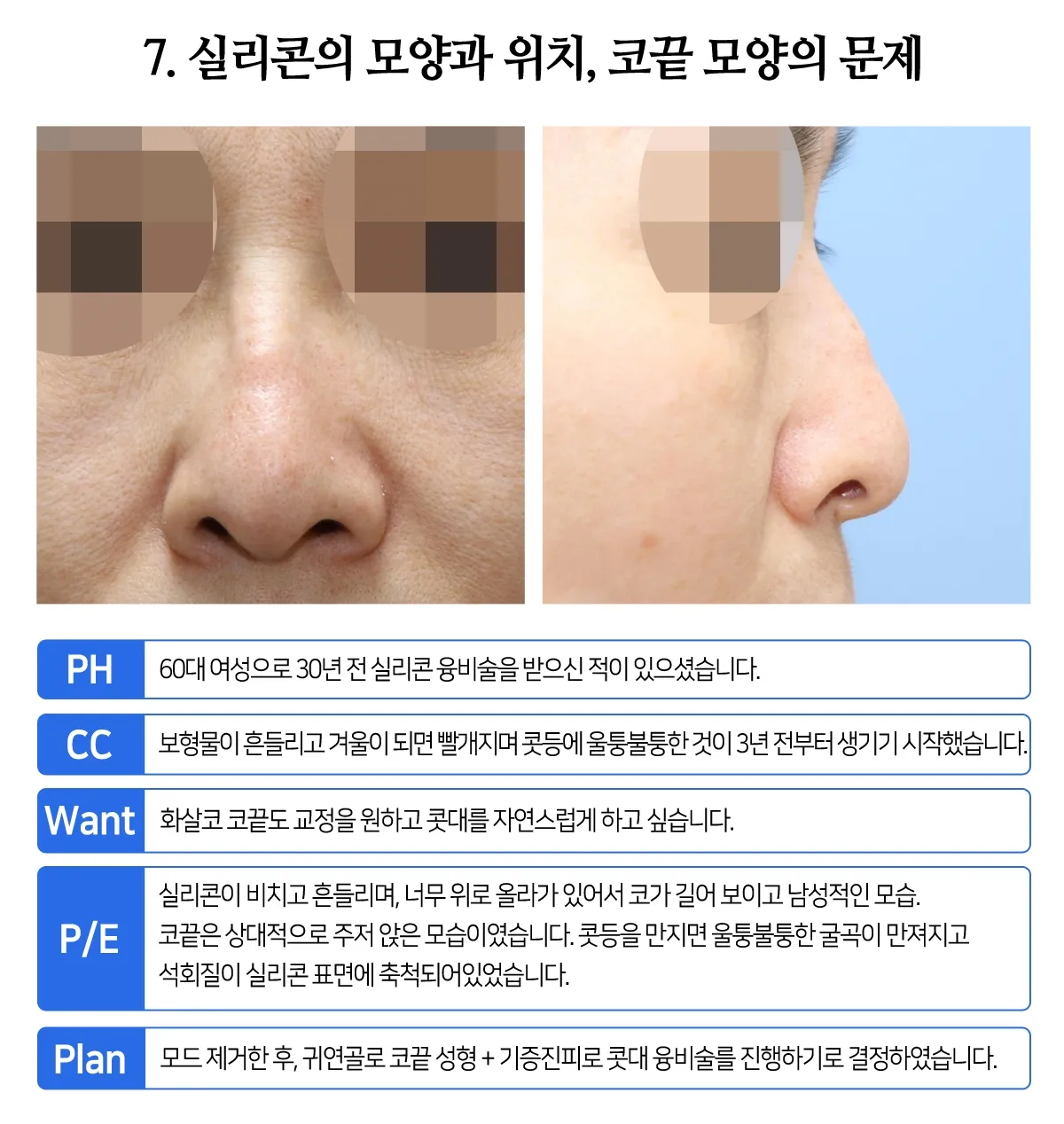
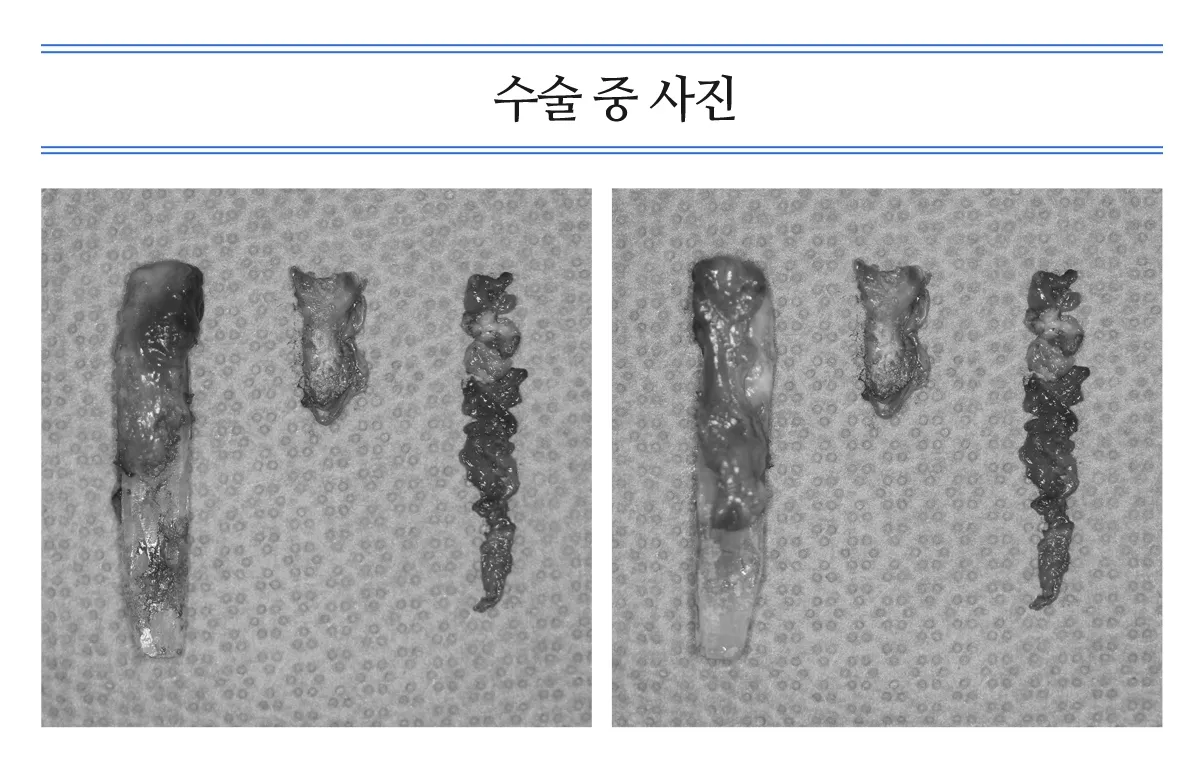
Calcium deposits (Ca) were found to have accumulated between the silicone and the capsule.
Over time, calcium accumulates on the surface of silicone through electrical action,
and in this patient, 30 years after the silicone was placed, a considerable amount of calcium deposits had built up.
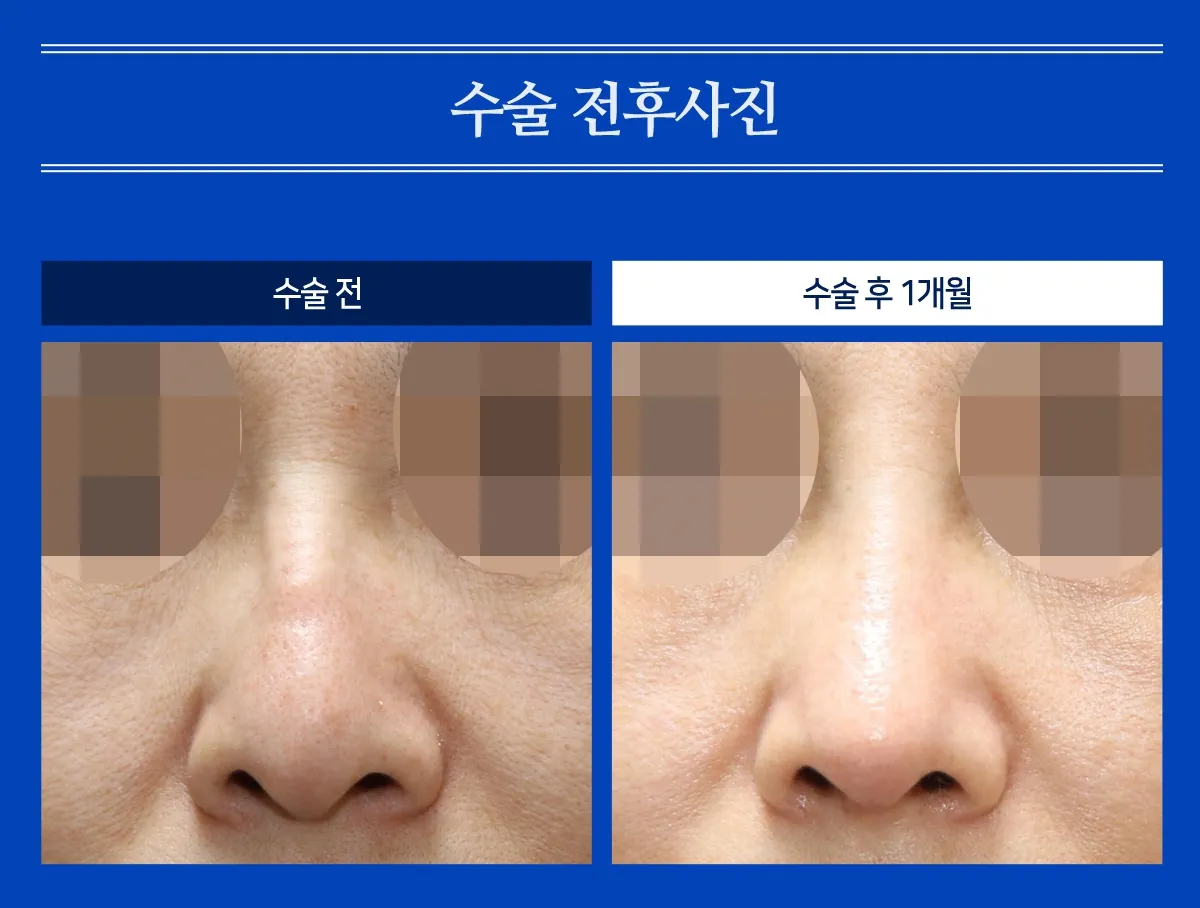
After surgery, the irregularity of the dorsum and the outline of the silicone are gone, leaving a natural line.
Considering that only one month has passed and some swelling remains on the dorsum, the height is appropriate.
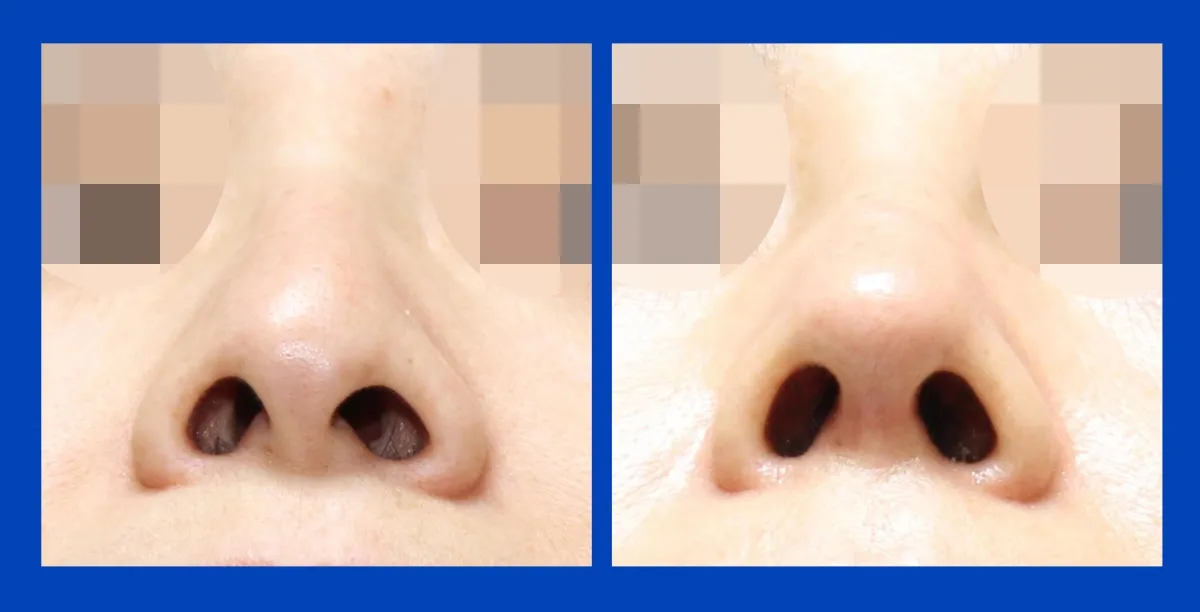
Ear cartilage was used to narrow the tip and support it from below, which raised and defined it and brought the nostrils and alae closer together.
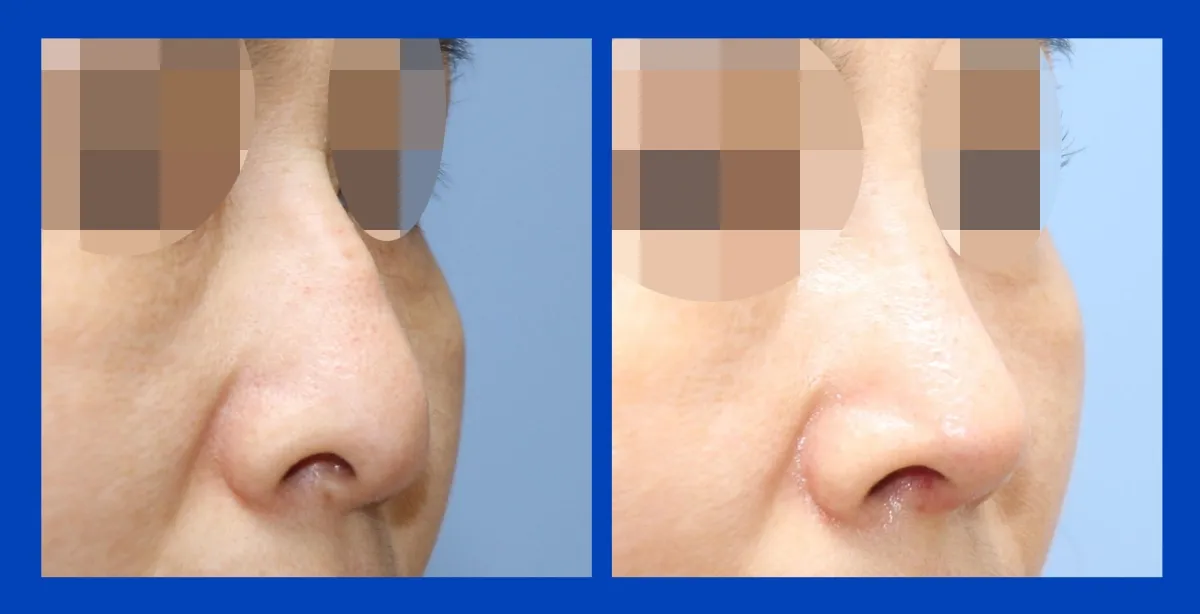
The tip is now well defined and connects naturally with the dorsum.
The glabella may appear slightly high, but this is the appearance 1 month after surgery,
and allowing for the swelling and the amount of acellular dermal matrix that will be resorbed, it is appropriate.